"Help us love our city."
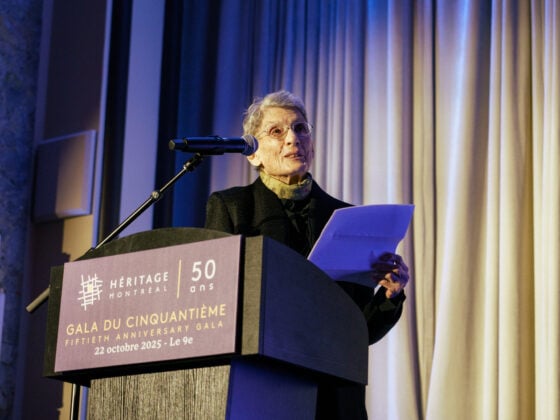
On the occasion ofHéritage Montréal 50th anniversary, I invite you to join me in exploring the Foundation's archives, which I researched during my museum studies internship in the summer of 2025.
This privileged access allowed me to learn more about the organization's history. Founded in 1975 by a group of people committed to preserving the city's heritage, Héritage Montréal to promote, protect, and raise awareness of issues affecting the city's architectural heritage. More specifically, join me as I delve into the archives of one of the Foundation's first executive directors, Mark London, and explore the projects that marked his involvement.
A brief introduction
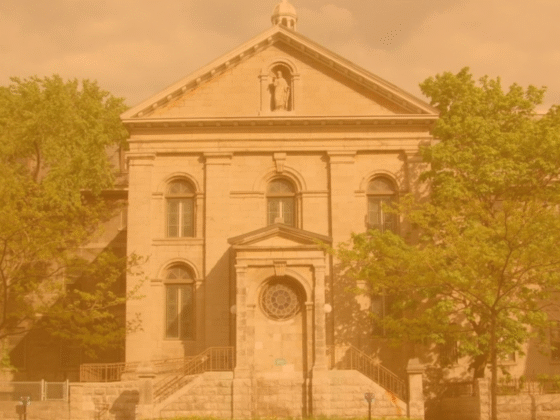
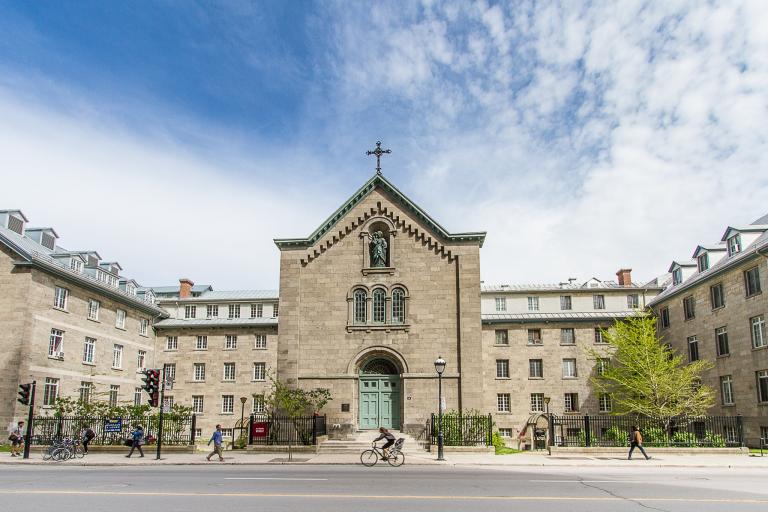
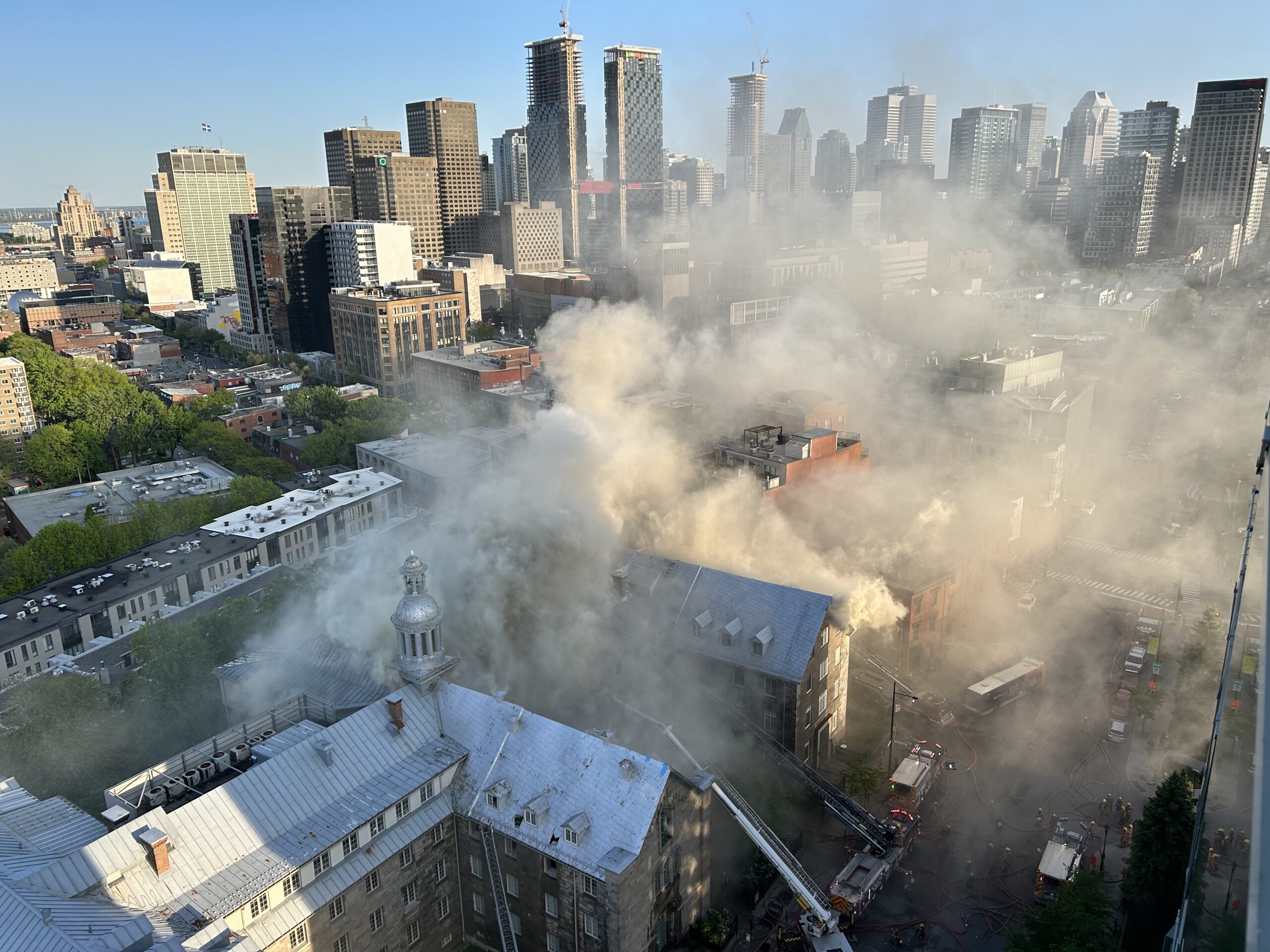
In 2023, a fire at the Bon-Pasteur monastery forced Héritage Montréal vacate its offices. Water from the sprinklers damaged a significant portion of the Foundation's documentation center. Despite this loss, preserving the archives remained a priority for the team, its members, and its donors. As before, generous members, donors, and volunteers are involved in ensuring the continuity of our organization's archival collection. Linda Thompson, widow of Mark London, offered to bequeath us the archives of her husband, who passed away in 2018, and Shawn Rosengarten volunteered to send us these documents, which were collected in plastic boxes and sorted into rough categories.
The archival legacy of Mark London
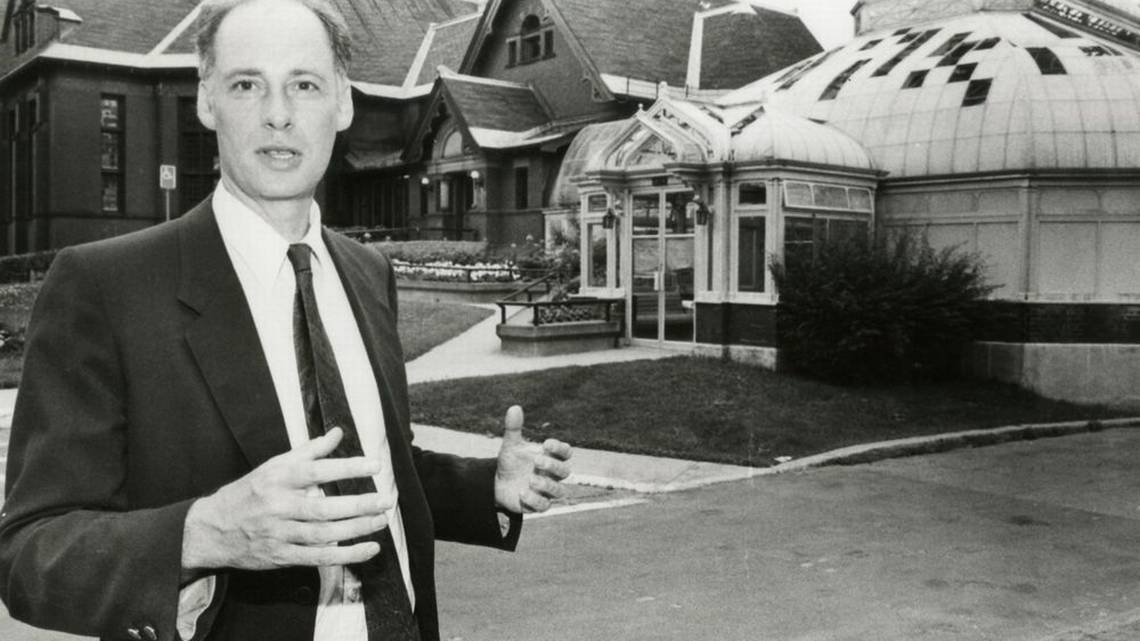
Why is Montreal's Old Port now a lively public space rather than a row of private condominiums, and how did Alexander Calder's monumental sculpture on Île Sainte-Hélène find its place on a belvedere overlooking the city? These structural choices owe much to Mark London. An architect and urban planner, he has devoted his career to promoting a vision of the city based on heritage, public space, and sustainable urban development.
Executive DirectorHéritage Montréal 1980 and 1987, Mark London was involved in the Sauvons Montréal movement from its inception. Within the organization, he oversaw the creation of the magazine SOS Montreal as well as several educational programs, including the master's degree in heritage conservation at the University of Montreal, his alma mater, launched in 1987. Mark London can also be credited as one of the people responsible for the redevelopment of the Expo 67 site into Parc Jean-Drapeau, in addition to his work documenting the port areas of several major North American cities during the 1970s to 1990s.
These archives arrived at just the right moment, especially since preparations forHéritage Montréal 50th anniversaryHéritage Montréal the perfect opportunity to revisit and enrich the organization's history. In the fall of 2024, the process of sorting through this newly acquired collection began. To do so, we were able to count on the invaluable assistance of Kathleen Villeneuve, who was responsible for digitizing and classifying the documents relating to the organization. This task required rigor and meticulousness! In fact, it is necessary to carefully review all the archival materials, evaluate the links with the urban planner's career, and examine the documents that bear witness to his time with Sauvons Montréal and then Héritage Montréal. As part of my internship, I took over and furthered the processing, in particular to inspire the design of the exhibition Héritage Montréal, 50 Years for Heritage with Château Ramezay.
As I explored, a few pieces that broke the mold of editorial or documentary writing particularly struck me. Here are a few of them.
Lincoln-Tupper: a piece of history in the heart of the city
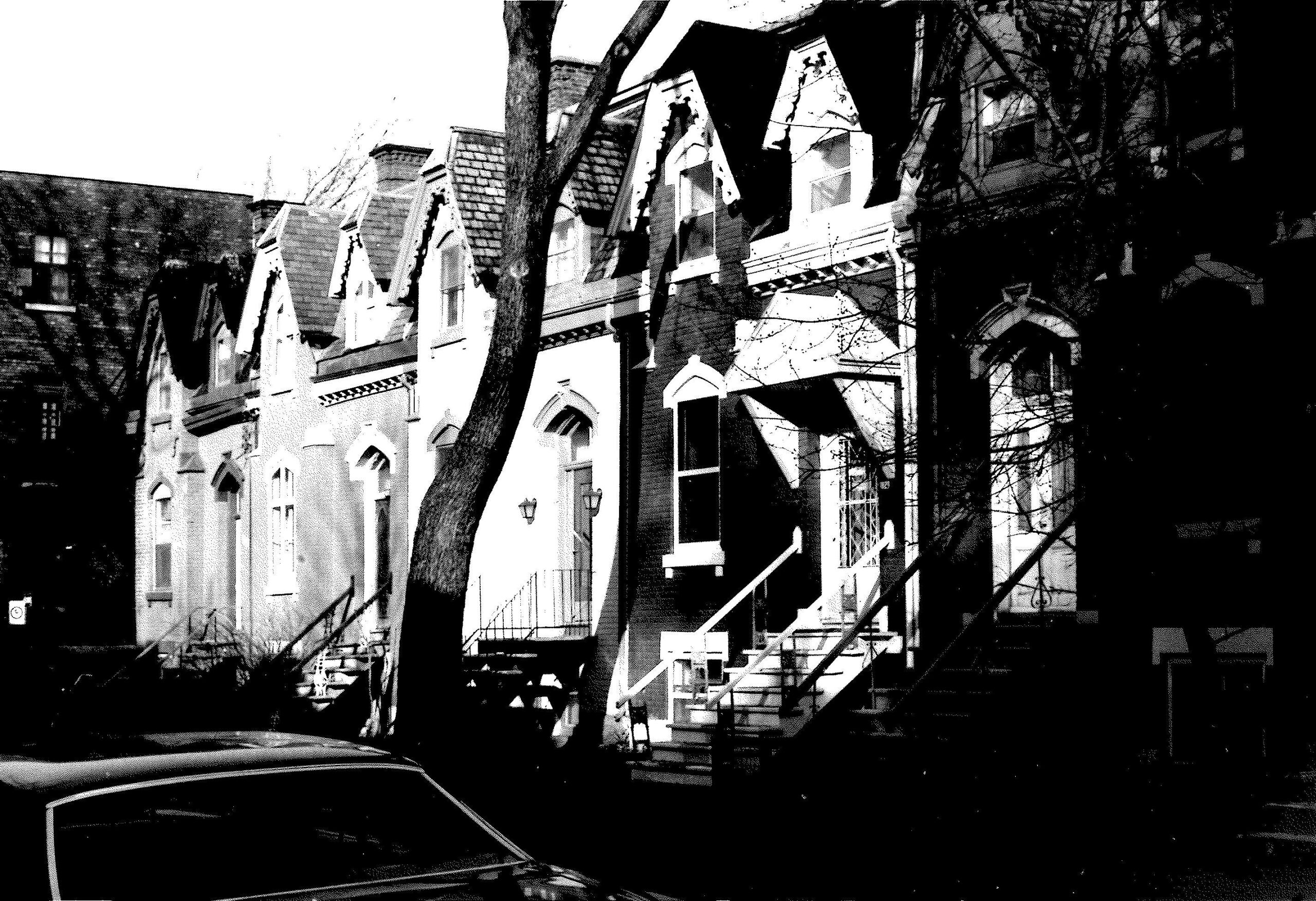
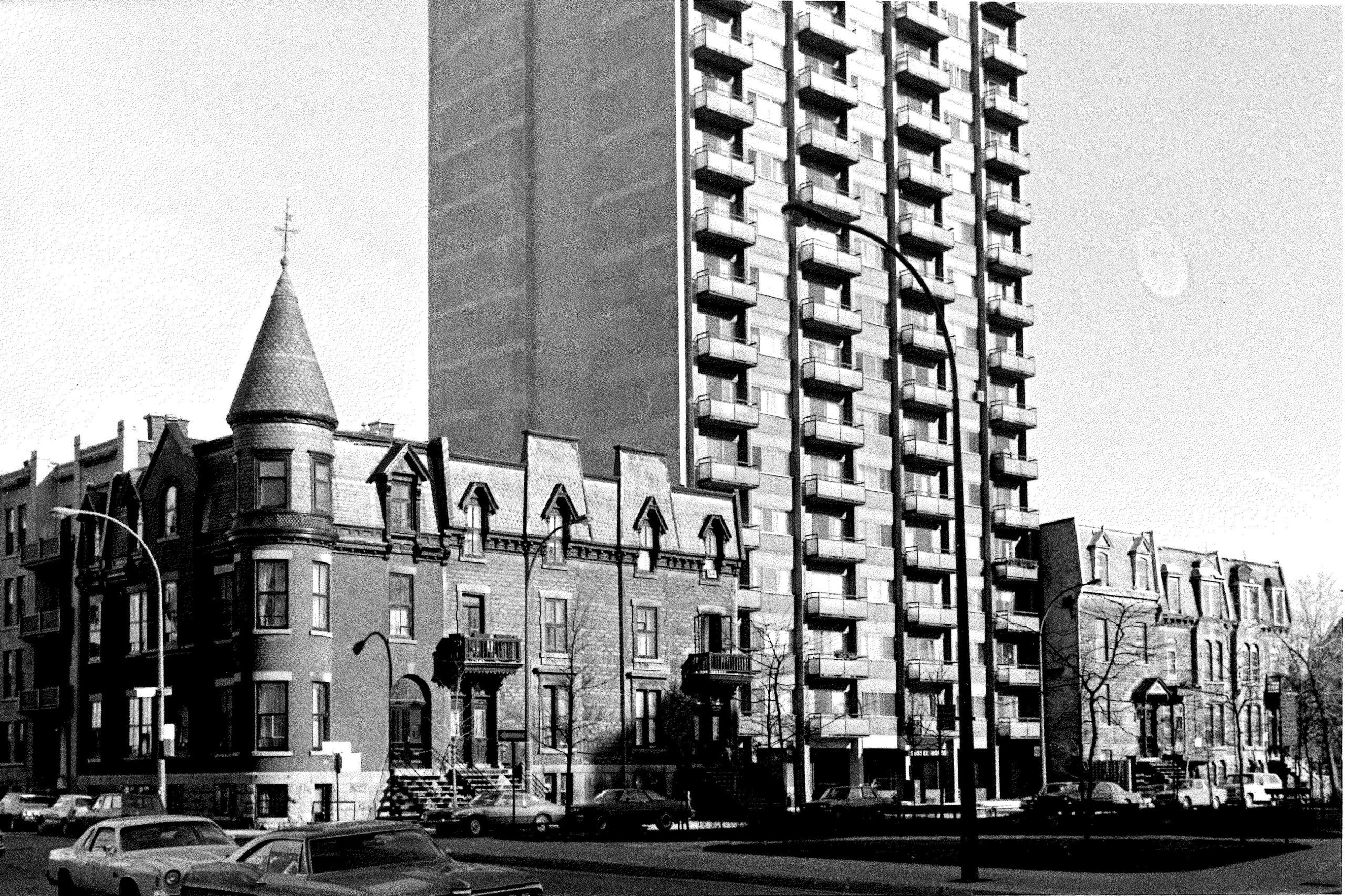
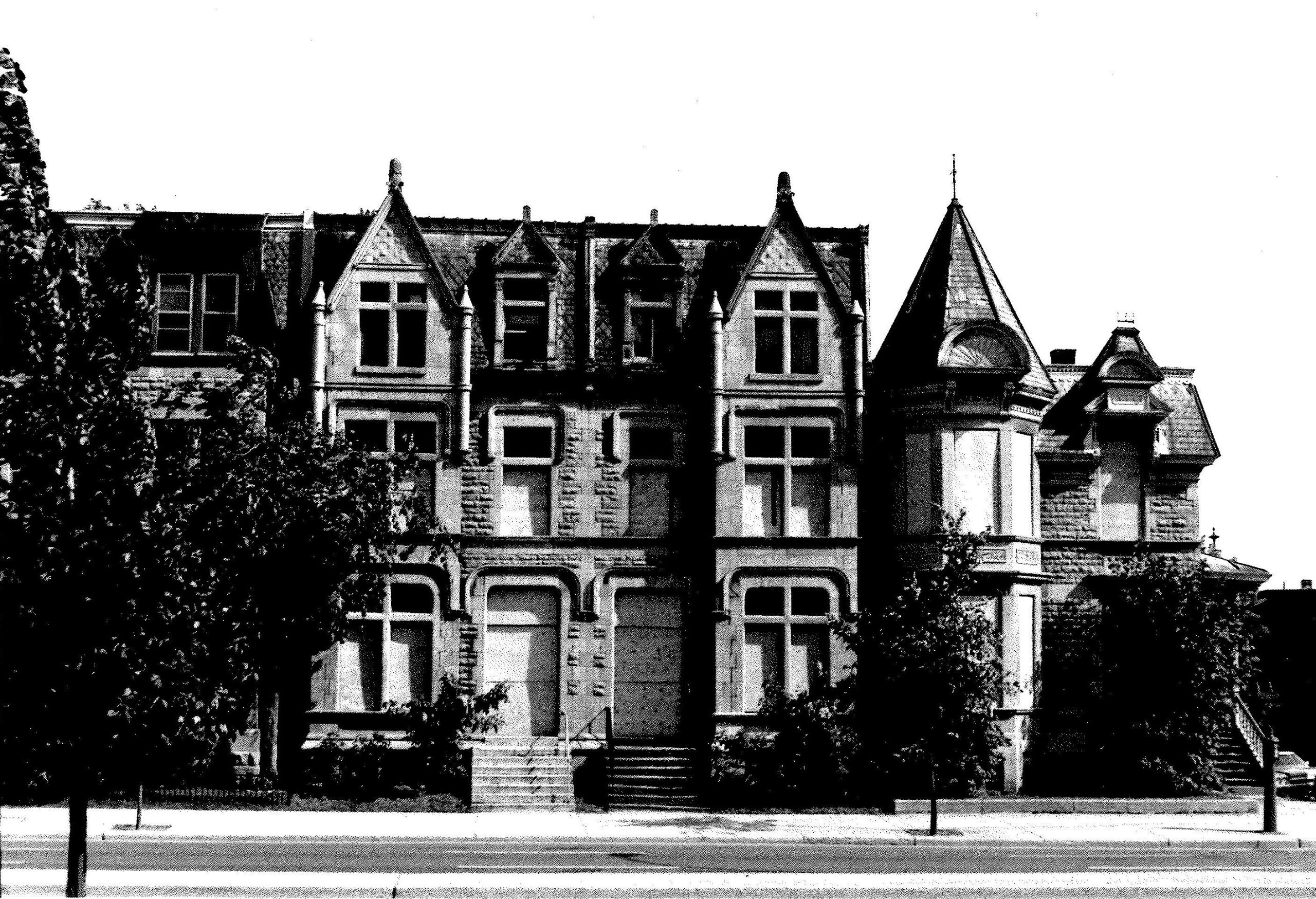
Since its founding, Héritage Montréal to promote Montreal's heritage with the goal of raising public awareness. One of the practices that has stood the test of time is photographic documentation and the publication of articles on the buildings that surround us. The photos in the following carousel are from photo walks taken by Mark London and Michael Fish and have been used in various publications supported by Héritage Montréal.
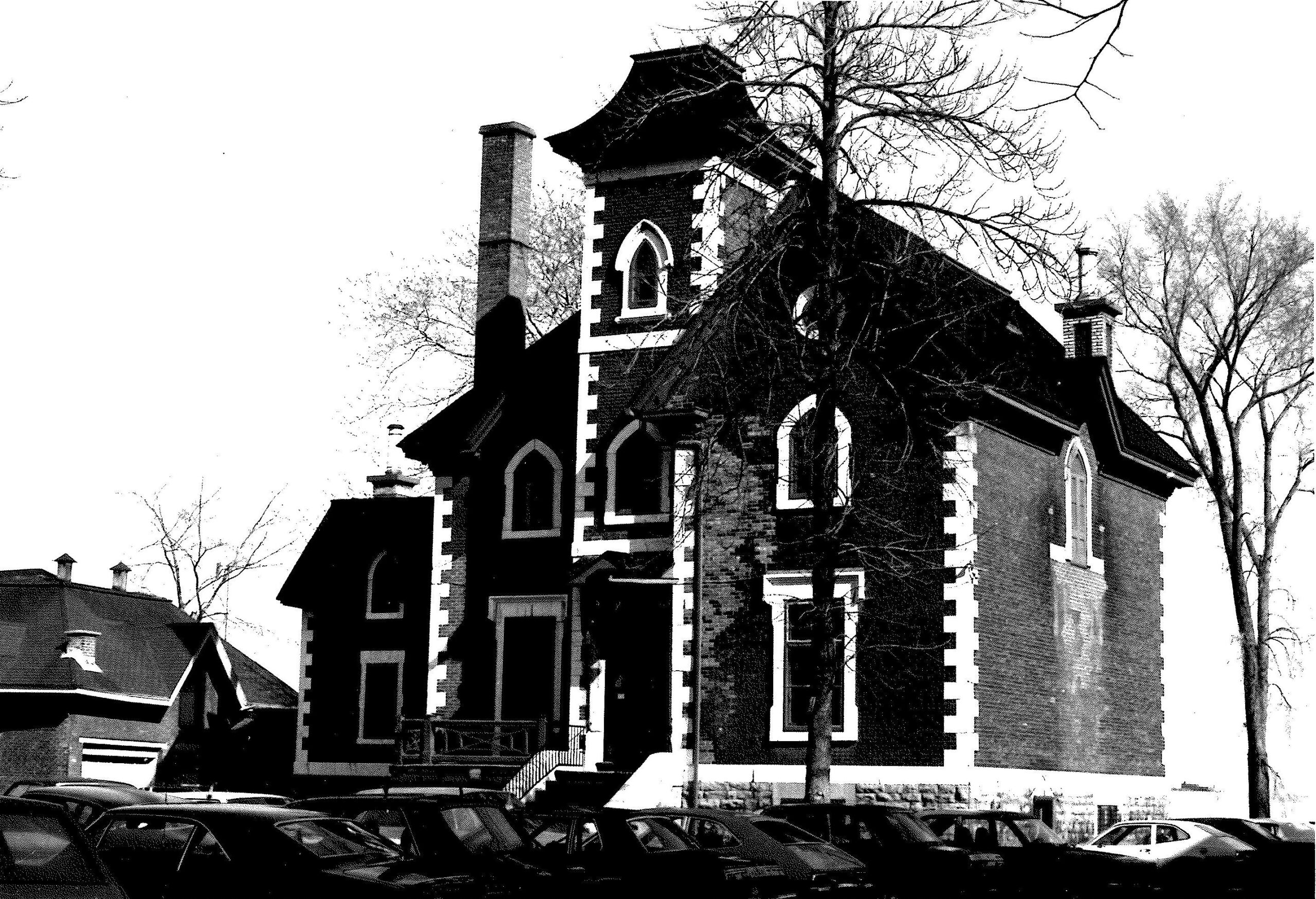
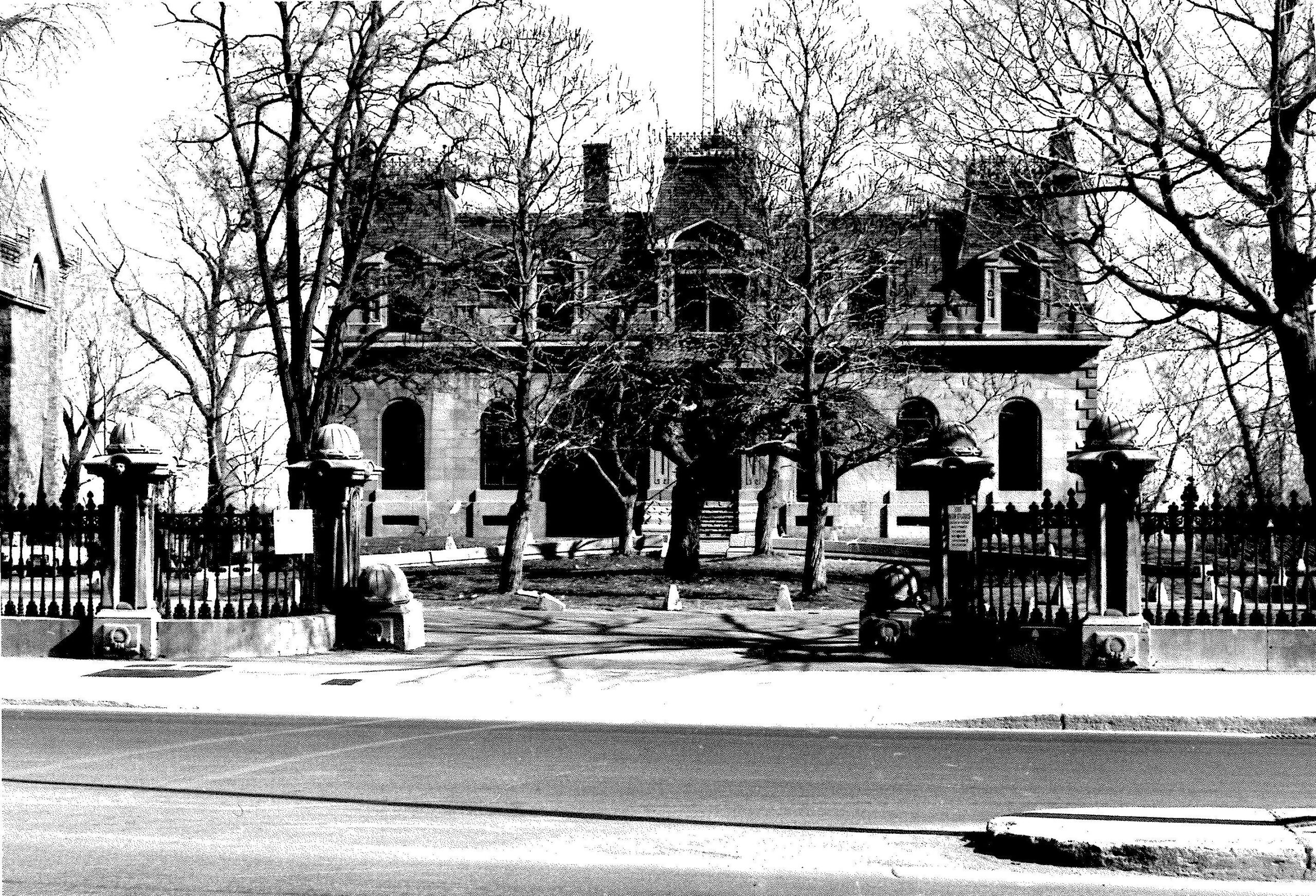
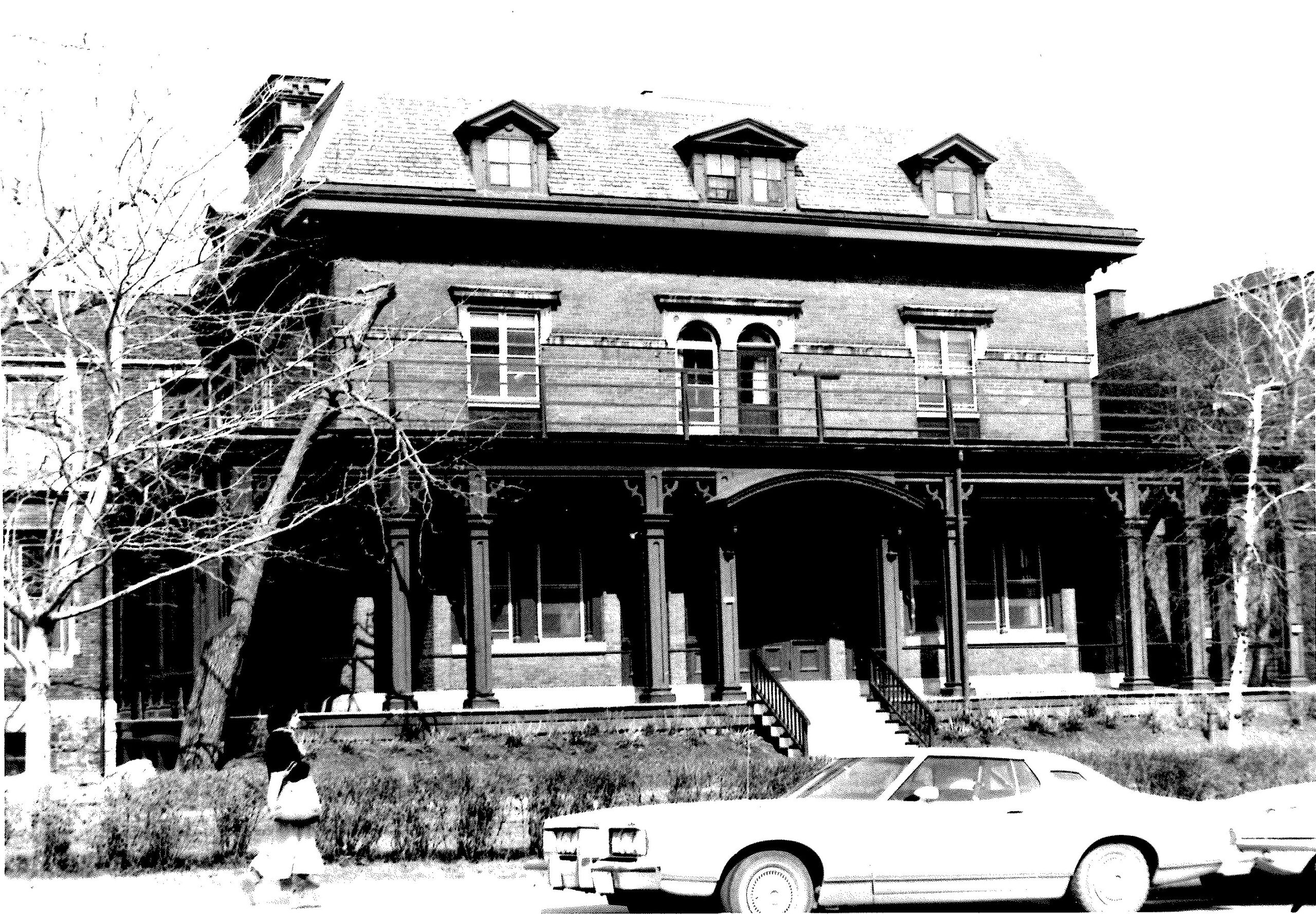
In addition to the regular publication of SOS Montréal magazine, which covers hot topics related to Montréal's heritage, certain issues deserved more in-depth coverage. This was the case for the Lincoln-Tupper neighborhood, bordered by the Ville-Marie Expressway to the south, Sherbrooke Street to the north, Atwater Avenue to the west, and Guy Street to the east. In 1977, this area, vulnerable to densification and demolition of its historic built environment, was the subject of a study. This study led to the publication of a booklet offering reflections on the history of the area and reporting on citizens' perspectives on heritage conservation in the neighborhood.
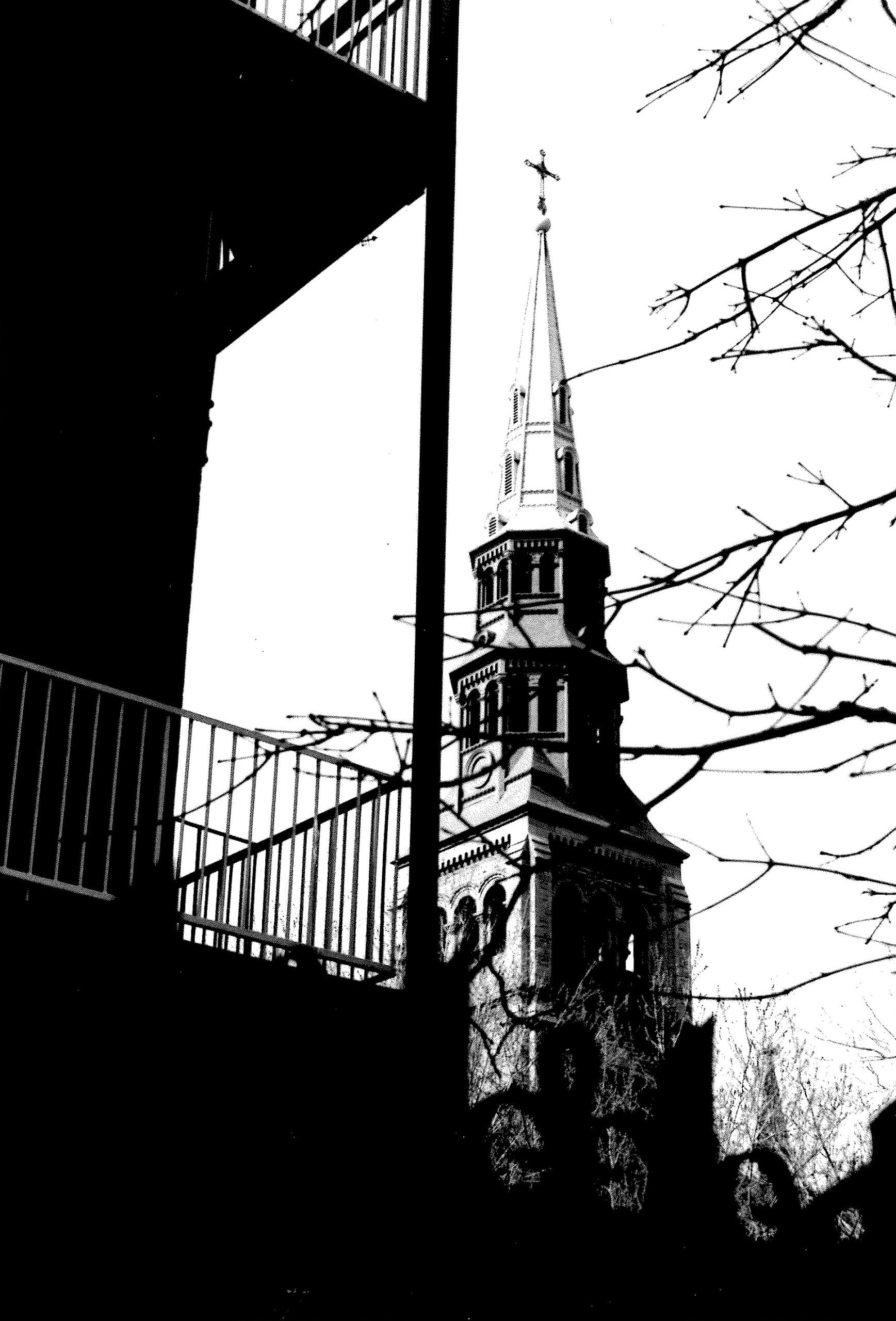
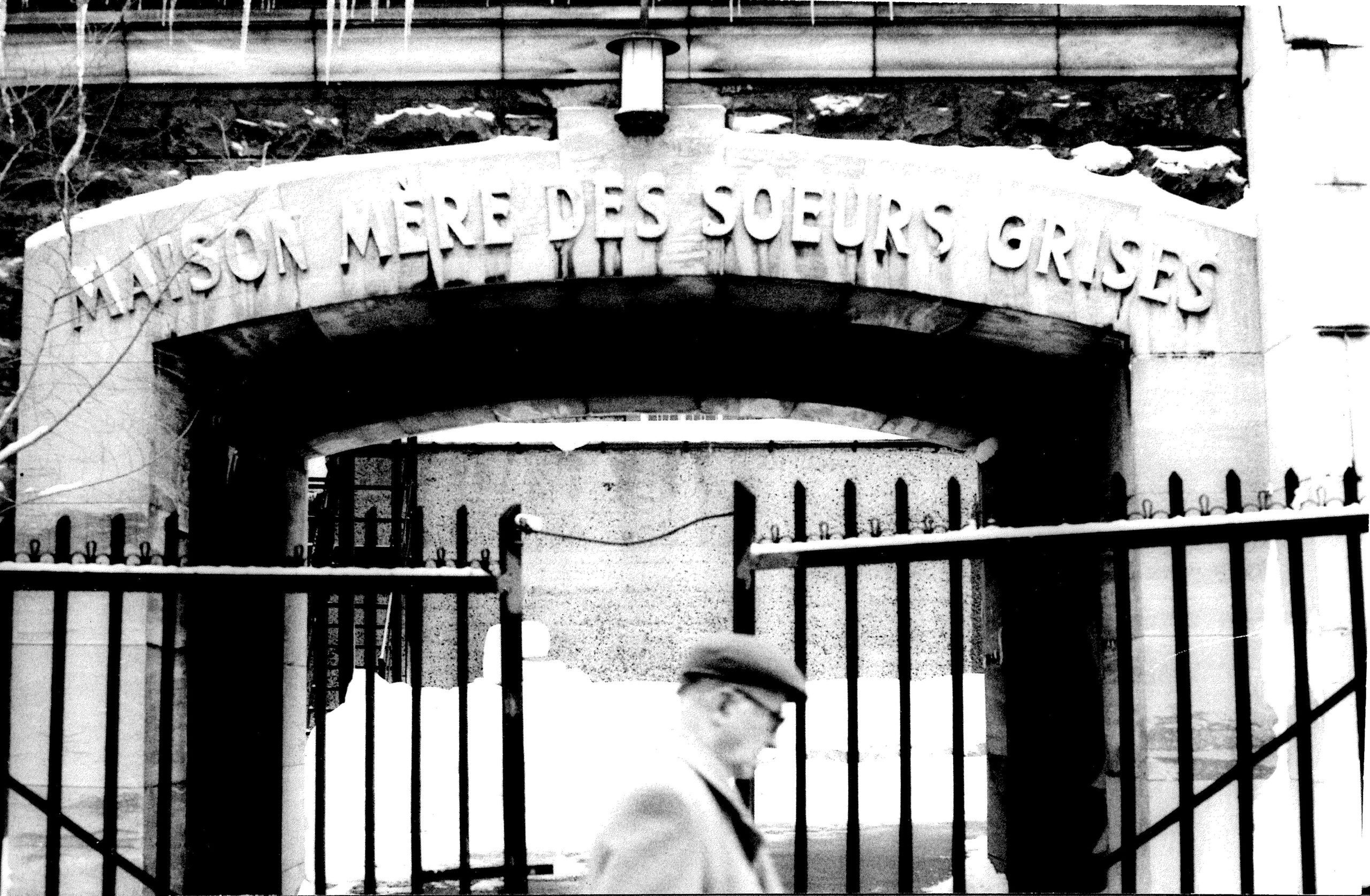
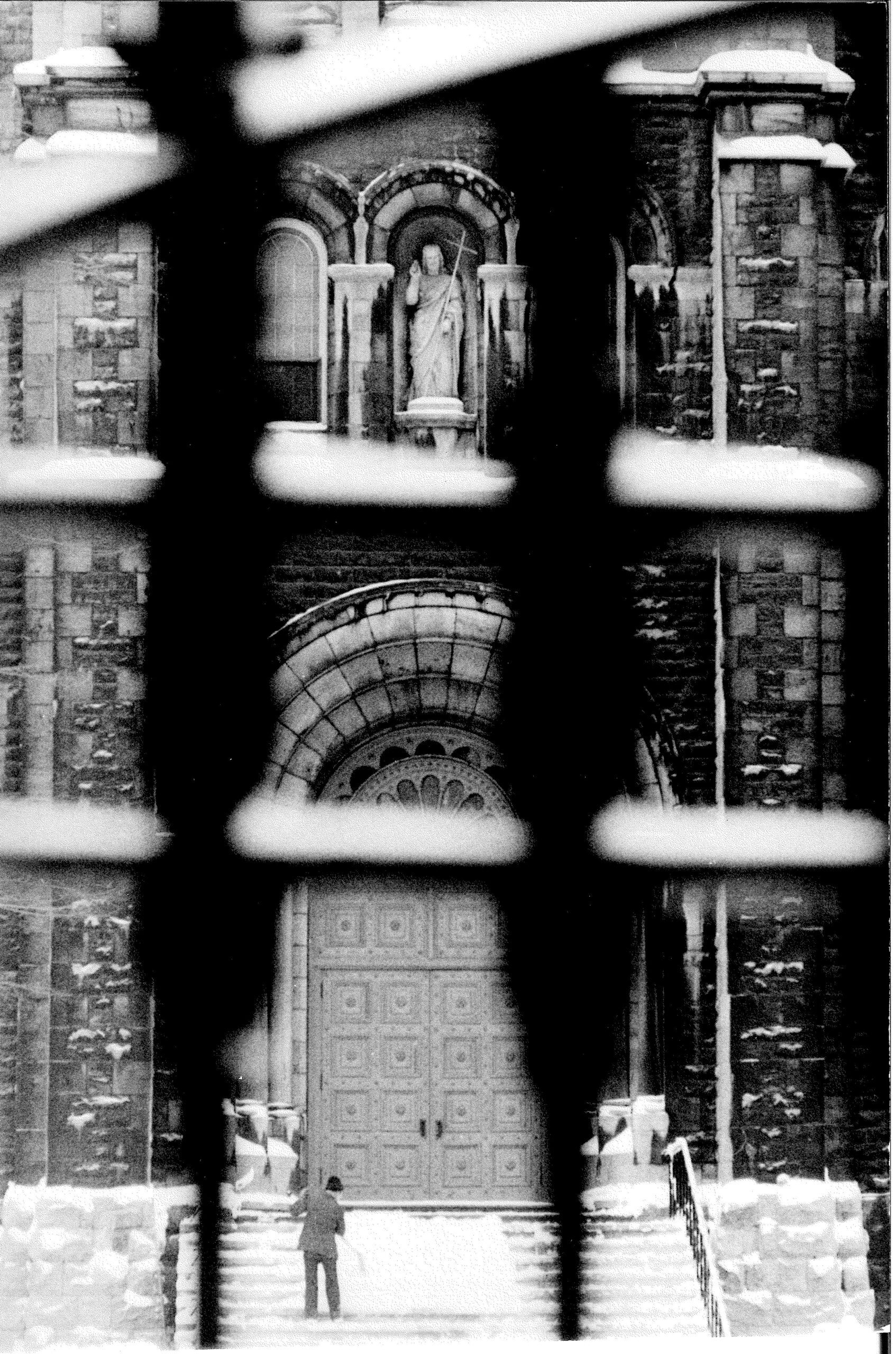
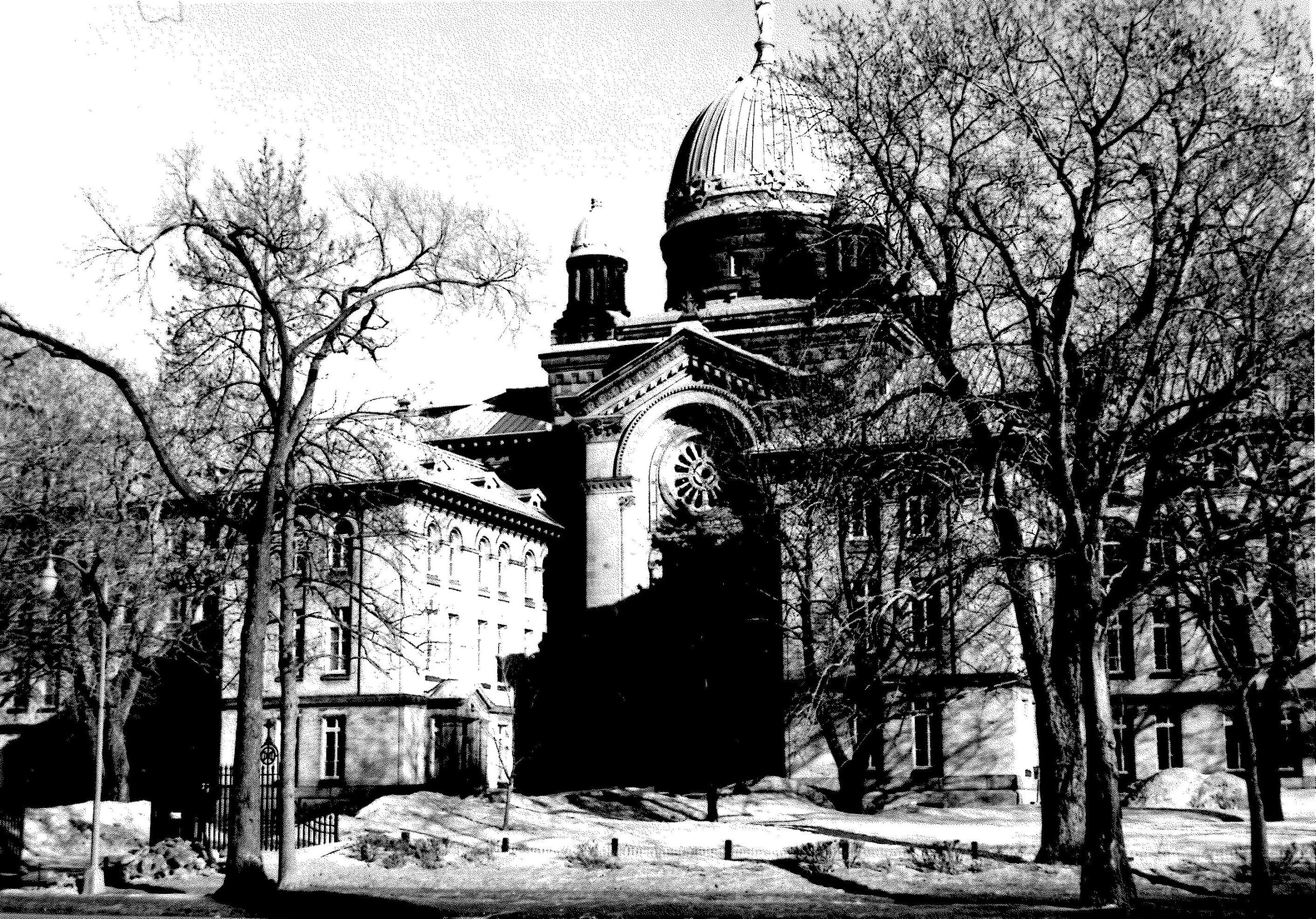
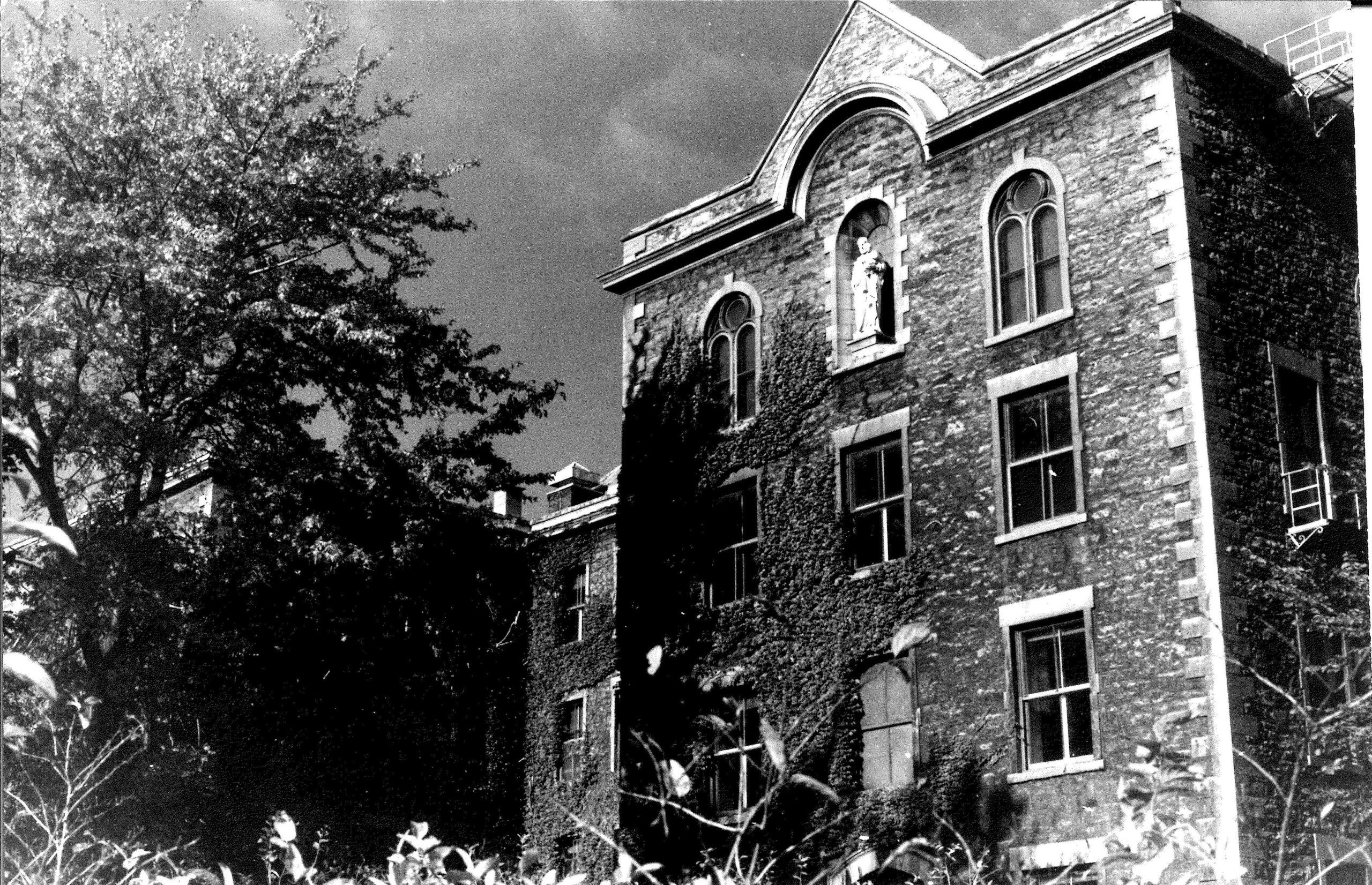
Even today, Lincoln-Tupper's heritage stands tall and is well worth discovering! From the foot of Mount Royal to René-Lévesque Boulevard, you will find buildings dating back to the early days of the colony, some of which have been redeveloped in a way that is still cited as an example today.
The revitalization of ports
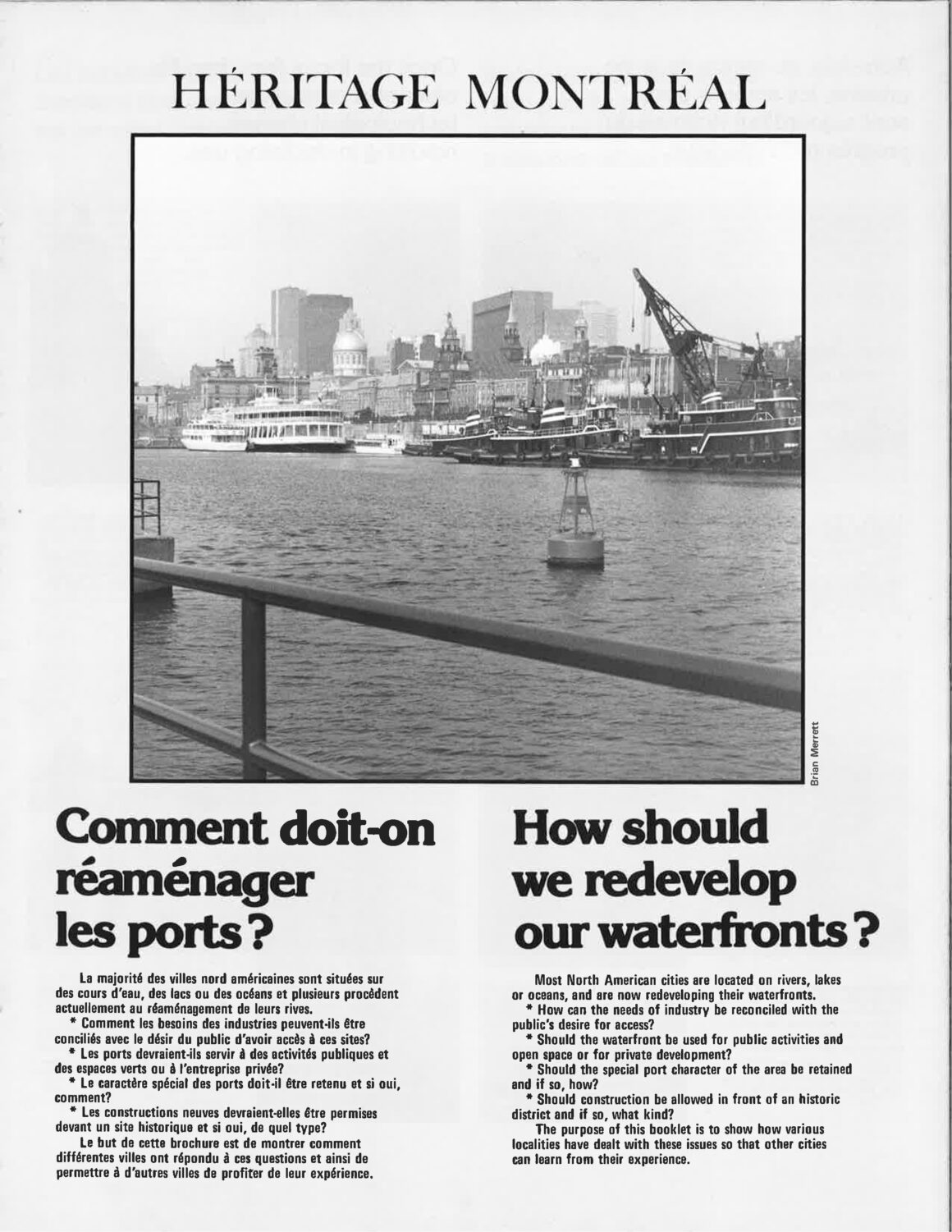
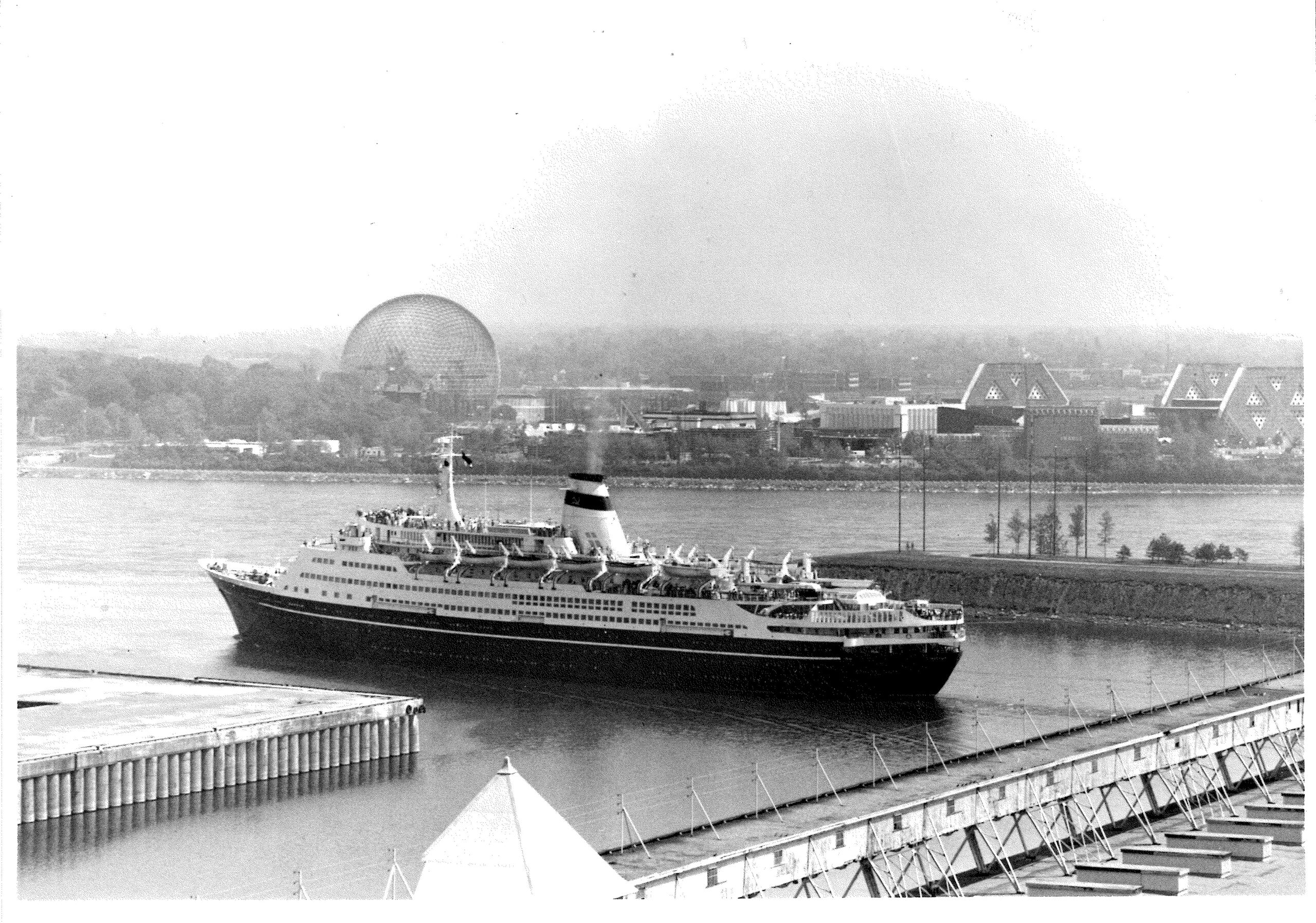
In the 1970s, many North American cities saw their waterfront areas redeveloped. Thanks in particular to the work of Blanche Lemco, architect and urban visionary, and her husband Sandy van Ginkel, Montreal's old town and waterfront were rescued from oblivion and perceptions of them changed. Faced with the threat of the Ville-Marie Expressway, whose original route would have wiped out Old Montreal, Lemco and van Ginkel conducted a study that sparked a citizen mobilization campaign calling for the protection of the area. Under the direction of Mark London, Héritage Montréal a pamphlet in 1983 entitled How Should We Redevelop Our Ports? Drawing on his experience with the waterfronts of Halifax and Toronto, Mark London reflected on the diversification of uses for buildings in ports and on the accessibility of waterfronts, which was made difficult by the presence of industry or the privatization of spaces. Mark London posed the following question in the pamphlet: How can we not only restore visual access to citizens, but also provide access to historic centers, which are often built on the waterfront?
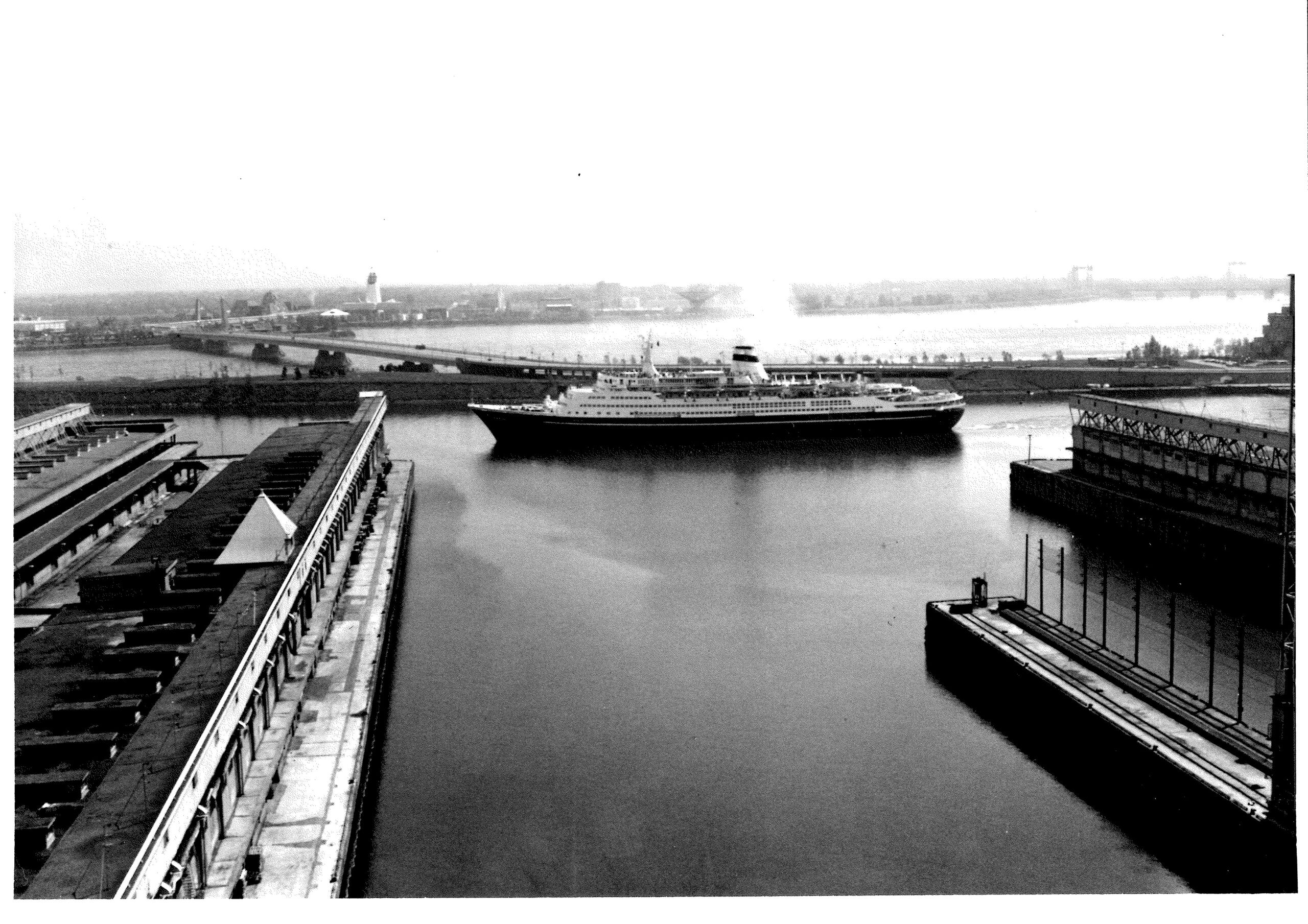
Initiatives to redevelop Old Montreal, the Old Port, and the industrial areas along the Lachine Canal have integrated these areas into Montreal's cultural and physical landscape. The population has reclaimed these once inaccessible spaces and turned them into key locations in the Montreal experience. Héritage Montréal also contributed to reestablishing the connection with these places in its own way, by allowing visits to Silo No. 5 between 2012 and 2014, and then with its walks along the Lachine Canal this summer.
406 Notre-Dame is: a meeting place designed by Héritage Montréal
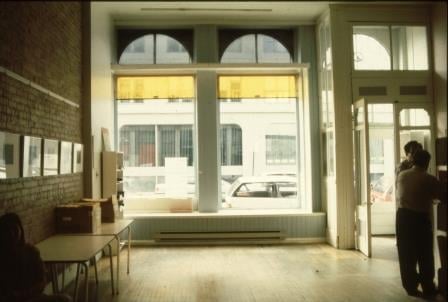
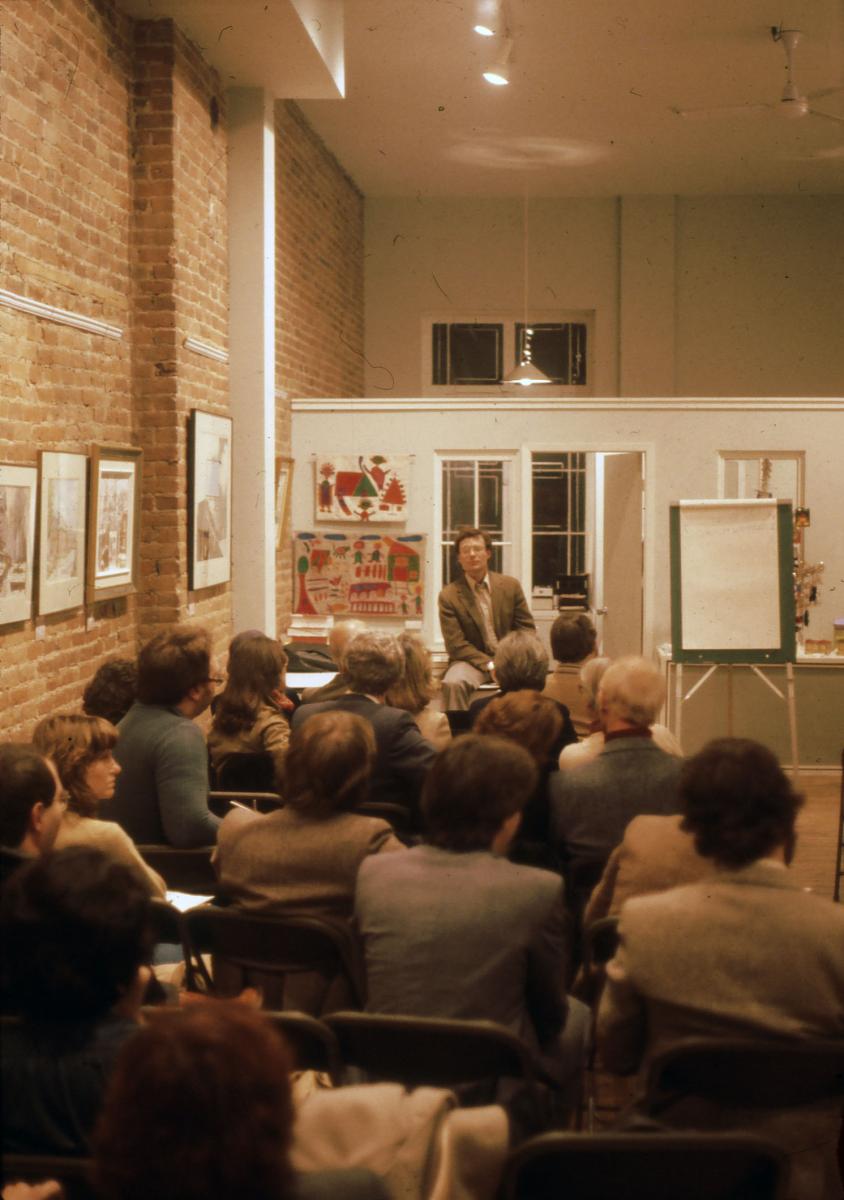

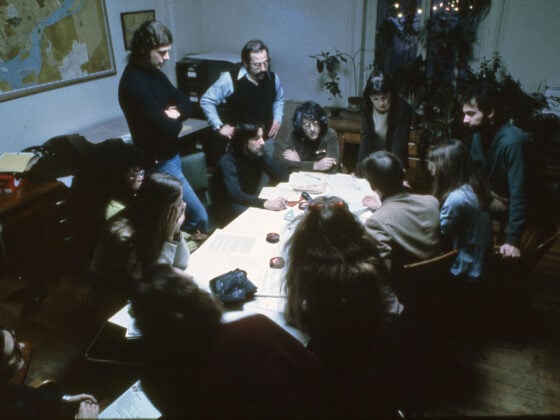
Few people know this, but Héritage Montréal first Héritage Montréal Old Montreal in the 1970s and 1980s, contributing in its own way to its reappropriation. The organization was once located at 406 Notre-Dame Street East in a former commercial space. The Urban Centre established itself as a workspace where employees, members of other organizations, and "ordinary people" could come together. This space offered a specialized library and presented exhibitions and workshops on various topics related to built heritage and urban planning. The Centre Urbain welcomed students and passersby alike to its premises on one of Montreal's oldest streets.
People came back, as Leonard Cohen did one fine day, or the famous and friendly Hobo Bill, a homeless man who came from far away and taught us a lot about how to look at Old Montreal.
– Dinu Bumbaru, Director of Policy at Héritage Montréal
The city center goes under the knife
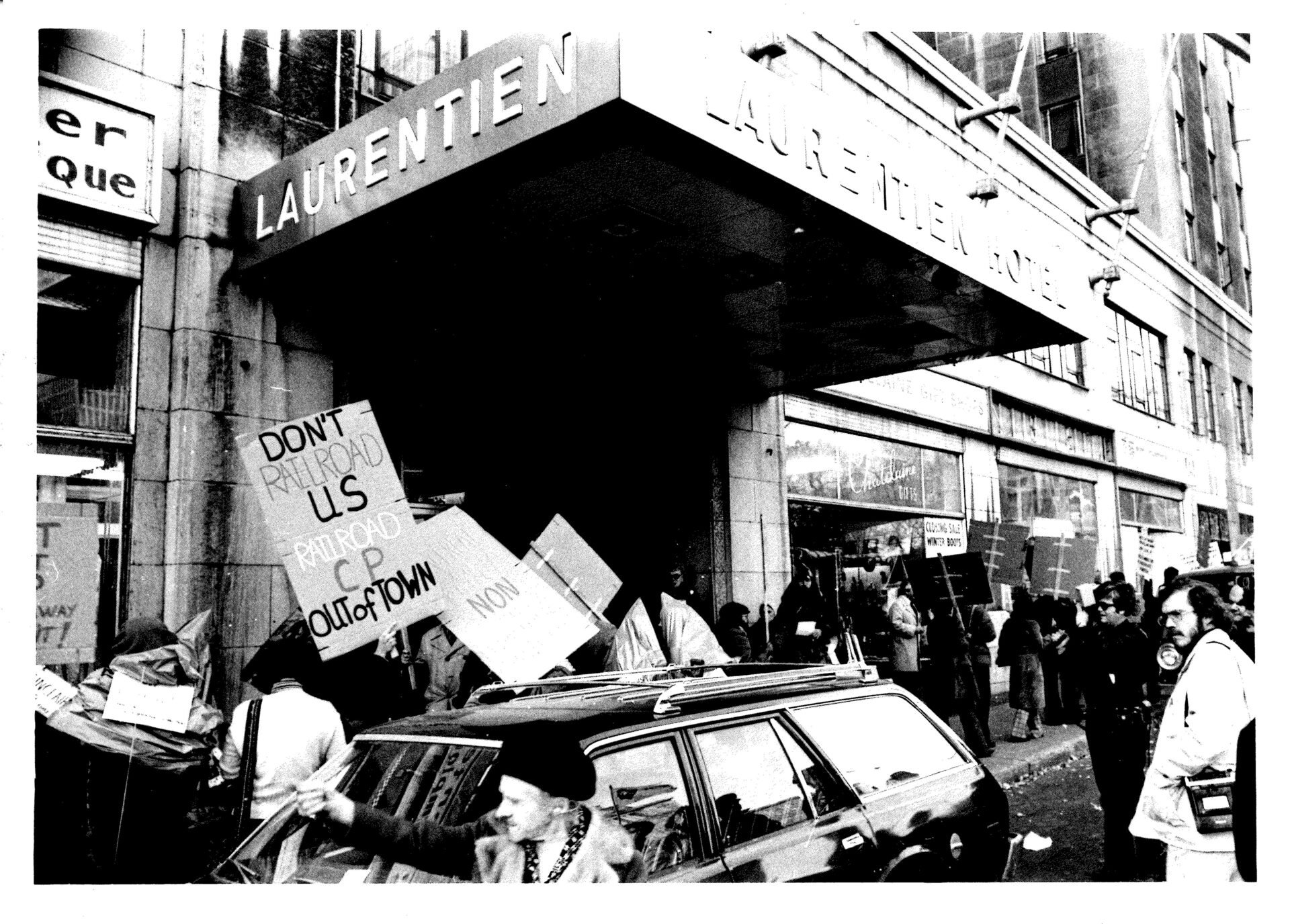
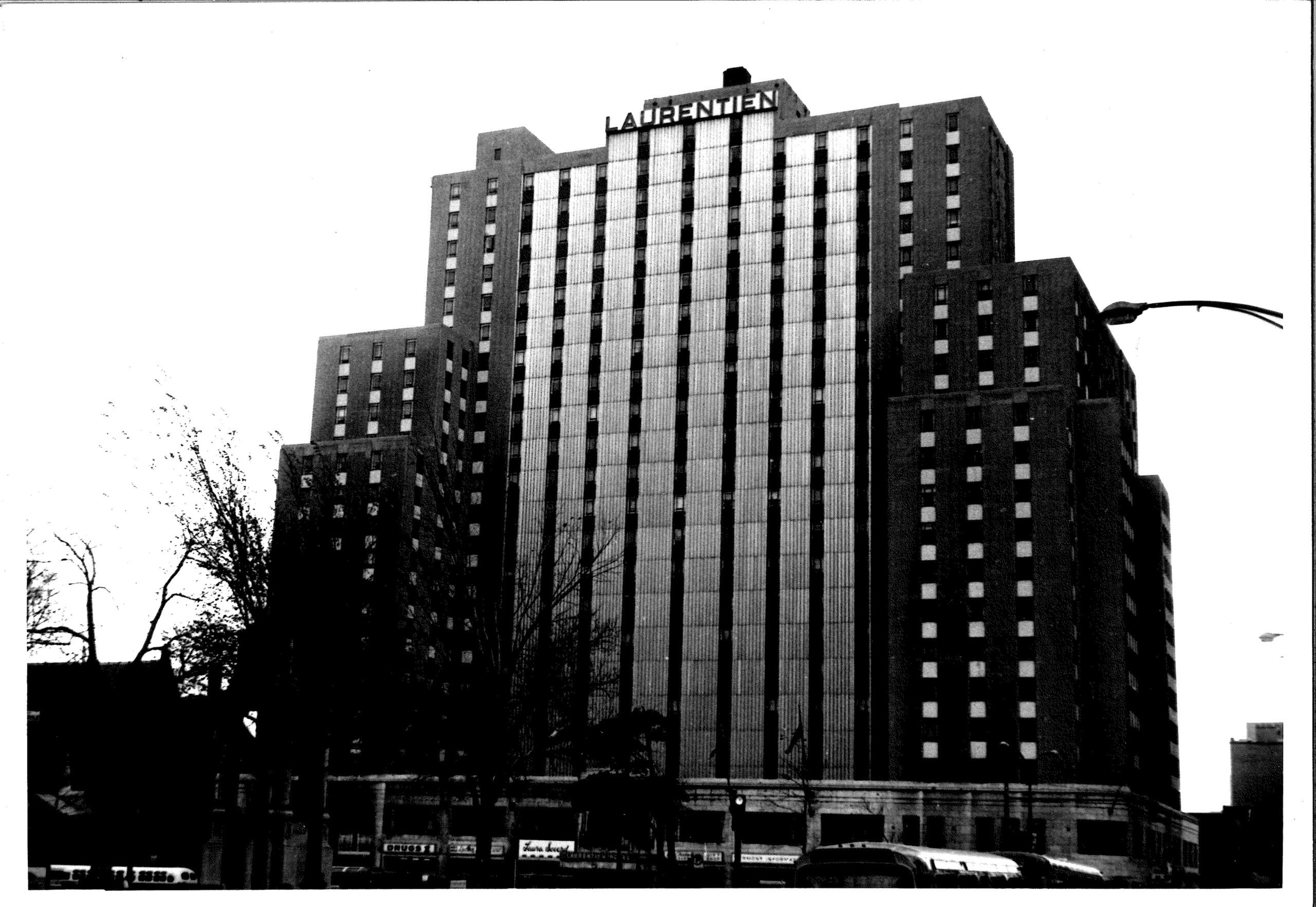
In addition to its historic buildings, Quebec City has a significant inventory of modern heritage buildings that bear witness to the social and urban upheavals of the second half of the 20th century. One example is the Hôtel Laurentien, which was finally demolished 30 years after its construction, following intense campaigning led in part by Héritage Montréal. An example of Streamline architecture, the hotel, built in 1947 and partially rebuilt ten years later, also represented the persistence of a group of affordable hotels in the city center, which have now disappeared. In its place now stands the La Laurentienne building.
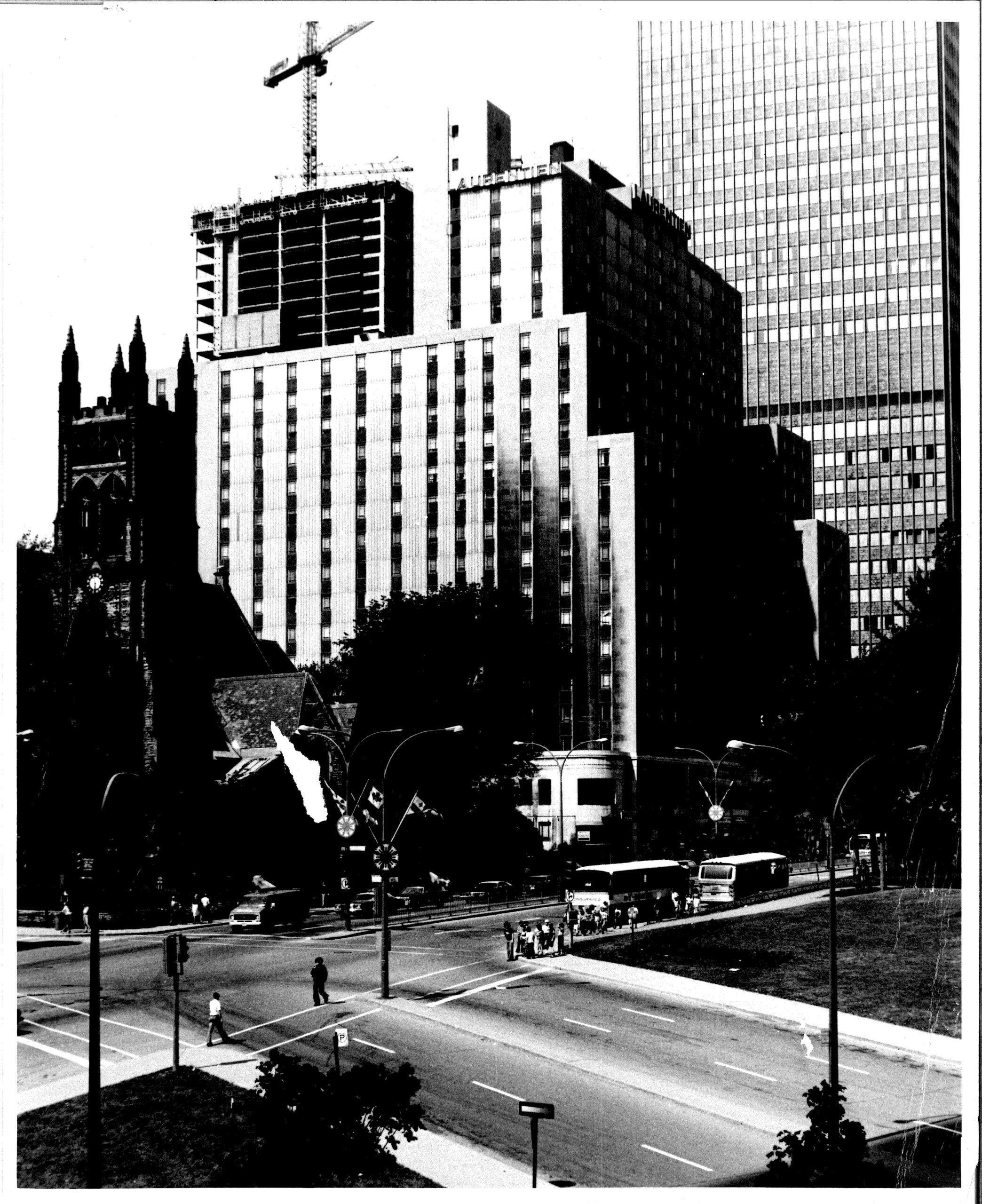
In the 1970s, the decade that saw the birth of Sauvons Montréal, followed byHéritage Montréal, old buildings represented an era that modernism no longer wanted. The buildings were sometimes poorly maintained and did not reflect what the administrations in power at the time wanted for Montreal. Buildings were therefore demolished without regard for their heritage value and identity for Montreal communities. It was during the demolition of the Van Horne House that the predecessorHéritage Montréal formed to defend not only heritage, but also citizens whose lives could be completely changed by expropriation. Groups such as Sauvons Montréal therefore defend the existence of buildings that are intimately linked to the character of the Quebec metropolis, hoping to prevent Montreal from becoming just another North American city among many.
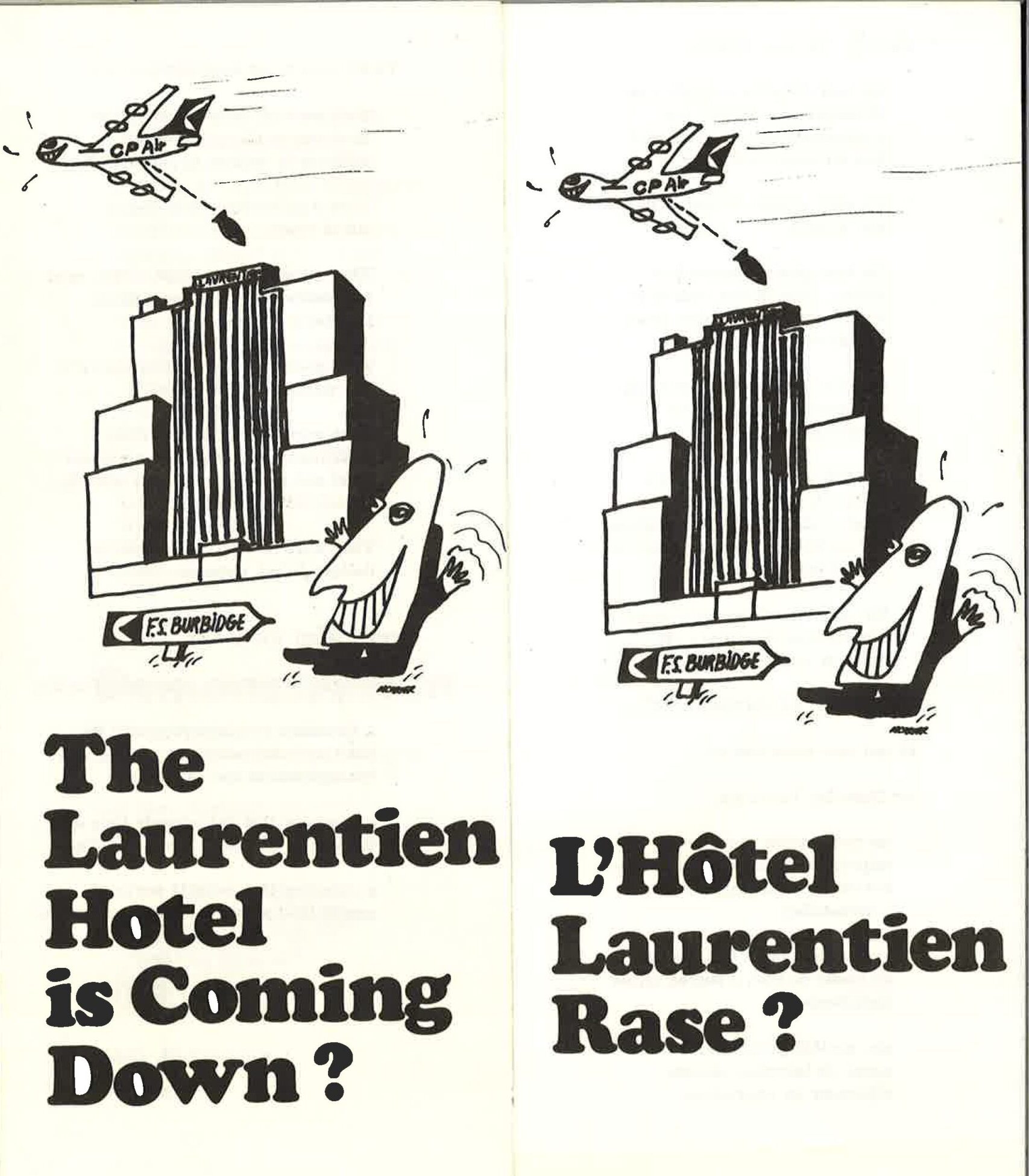
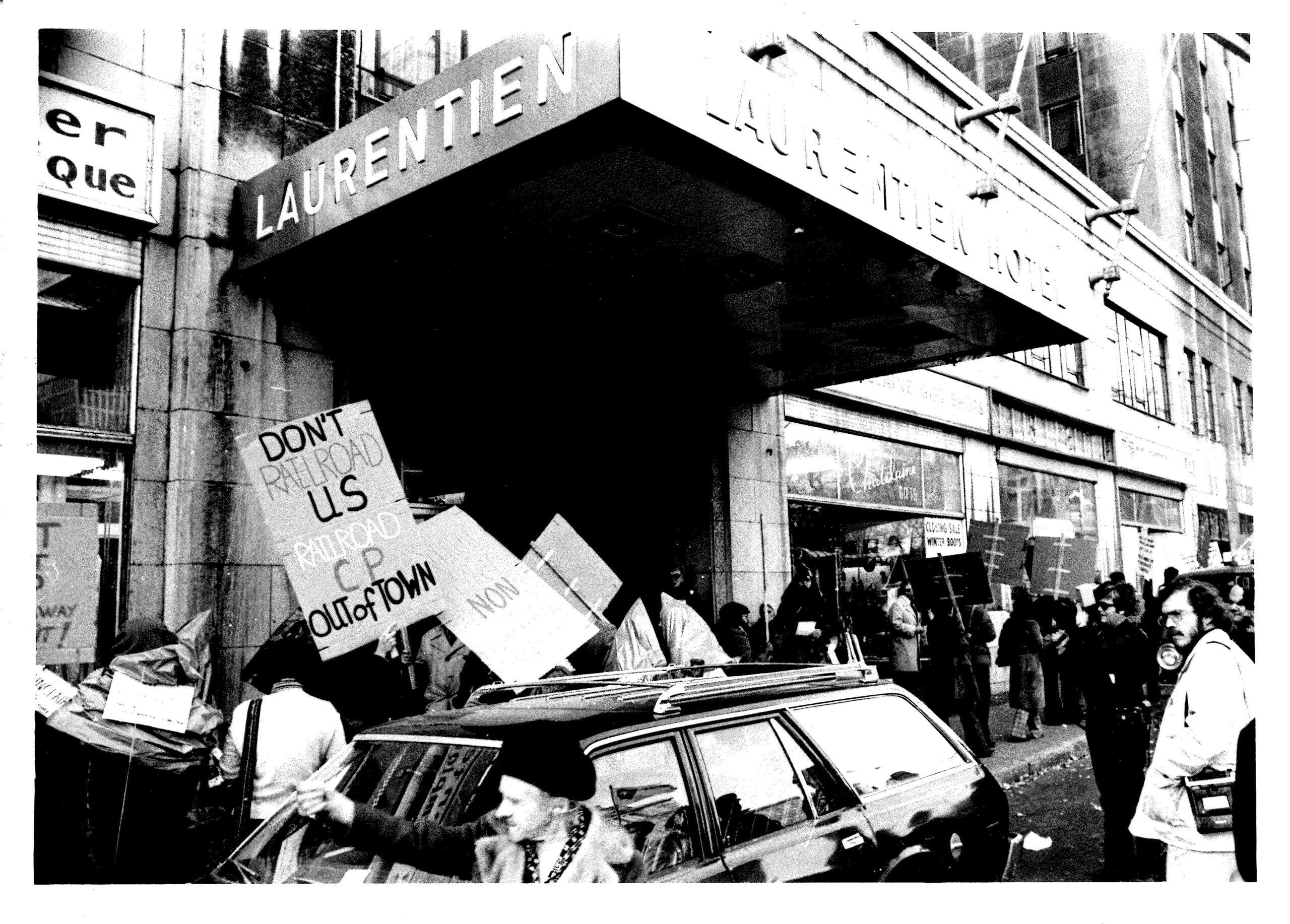
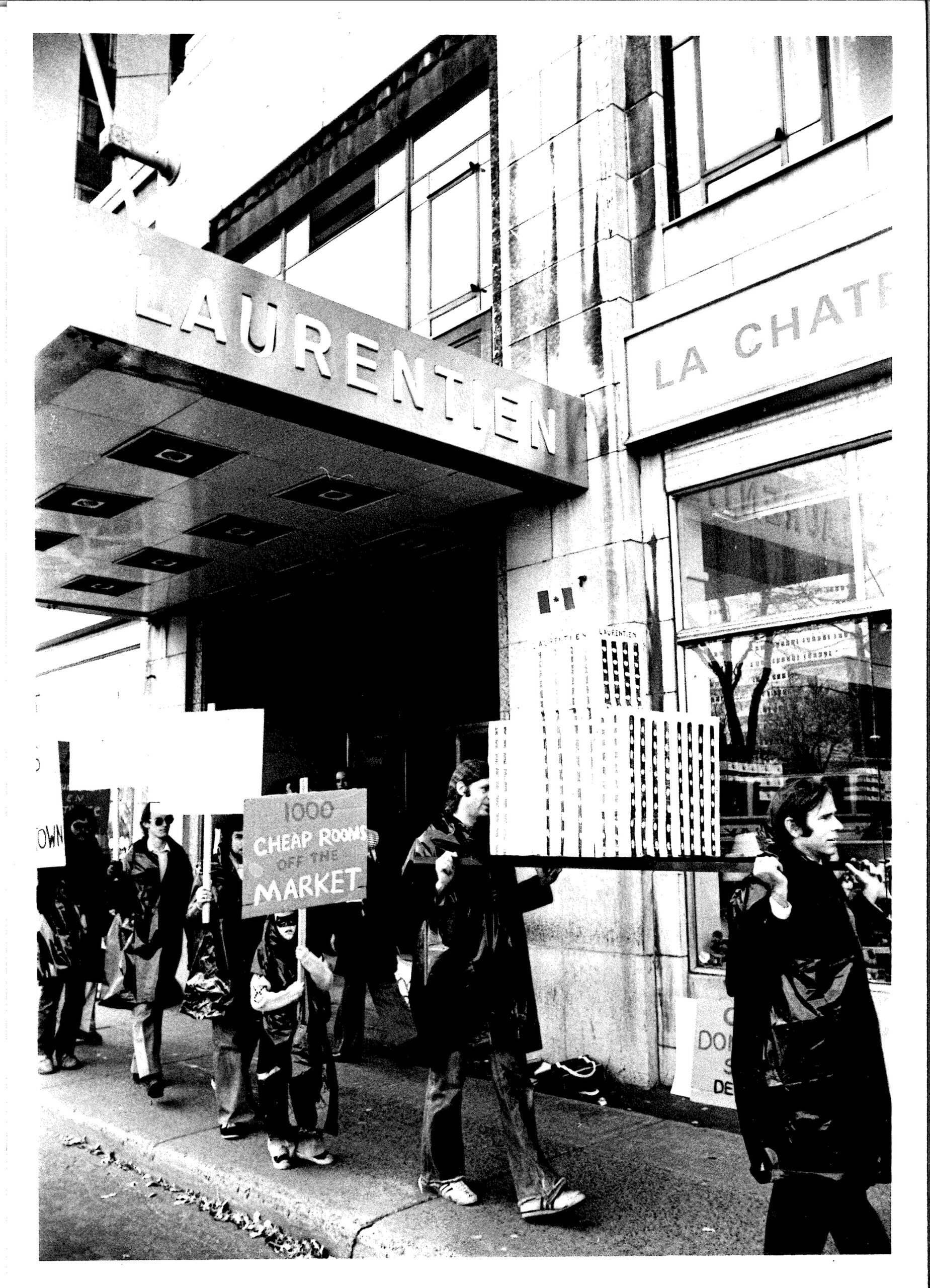
Sauvons Montréal and its funding body, Héritage Montréal, are helping to raise awareness about the demolition of historic buildings. Rallies are organized to educate the public about threats to buildings, sometimes leading to public demonstrations. This is what happened in October 1977, when a group of people gathered in front of the Laurentian Hotel to demand its preservation.
Today,Héritage Montréal political actionHéritage Montréal more on consultation than protest. However, our colleague Dinu Bumbaru can be heard regularly in the media on current issues affecting heritage. If you are interested in the work of our policy team, we invite you to subscribe to our newsletter.
Guy-Favreau and rapid modernization
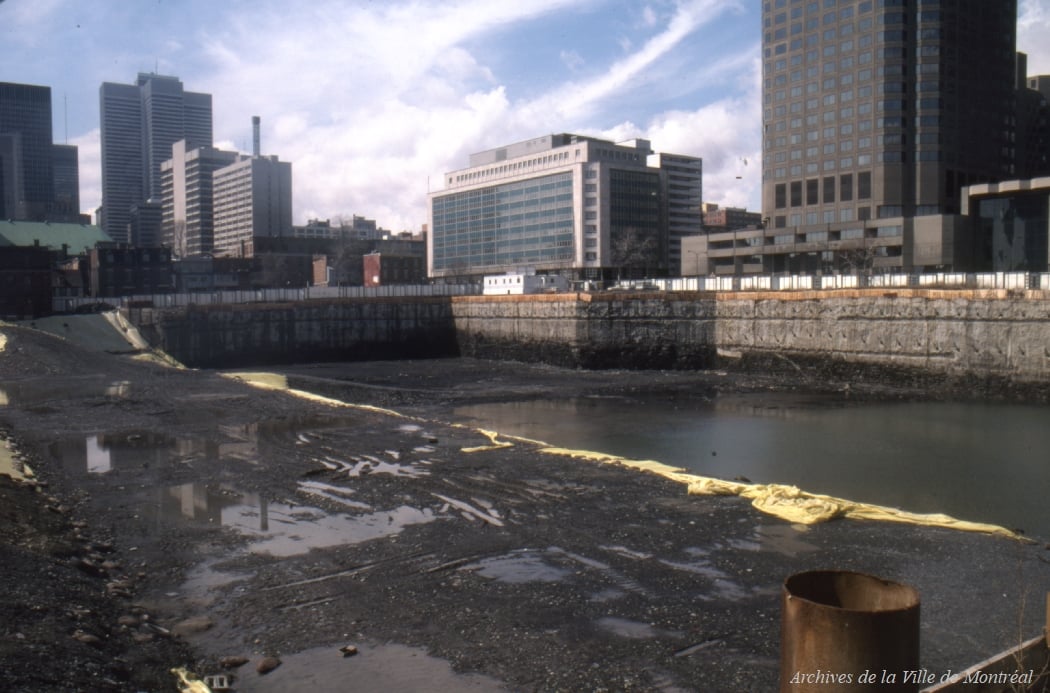
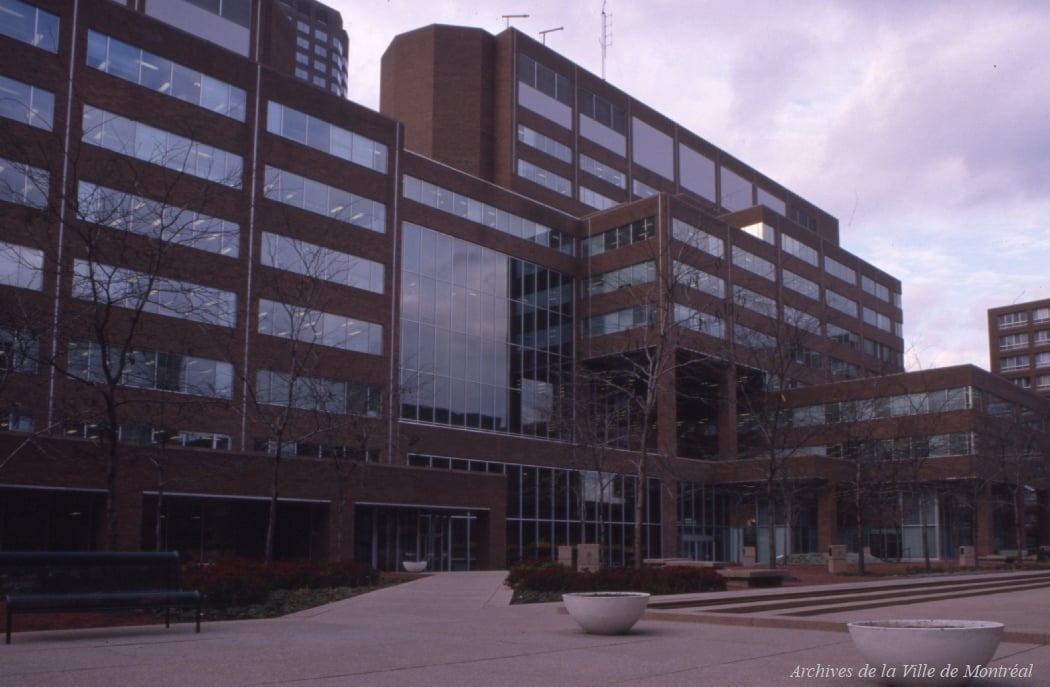
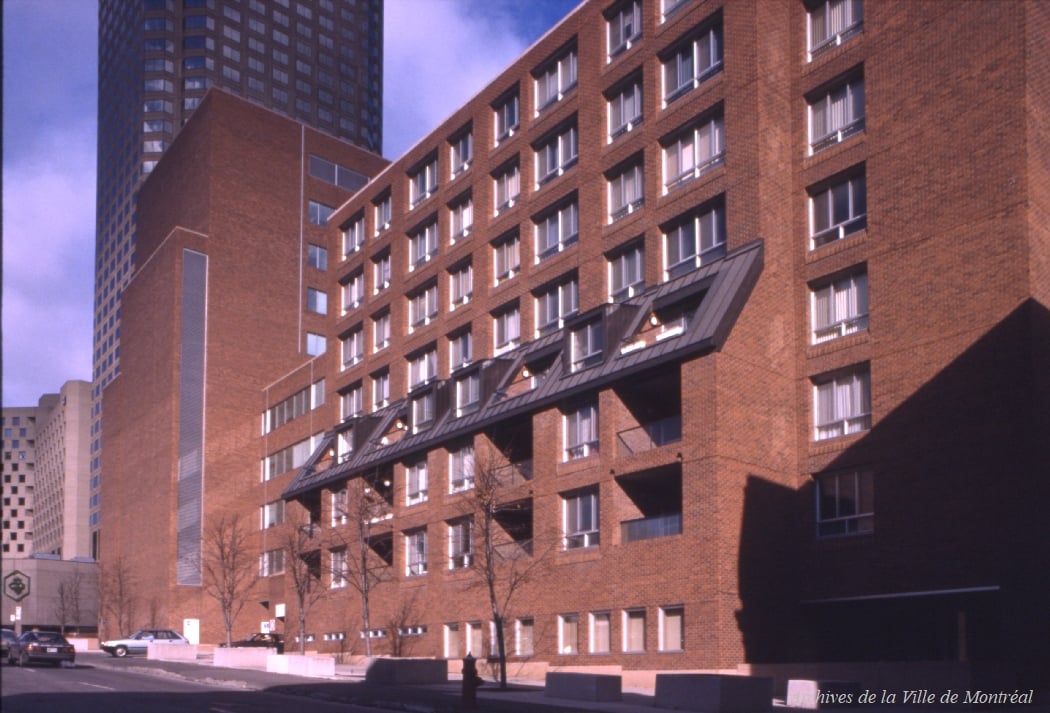
Part of the Montreal landscape since the 1980s, just like its neighbor Complexe Desjardins, the Guy-Favreau complex doesn't make as many waves today. In a sea of modern, brutalist architecture, this building, which houses several federal offices, is a good example of a "large modern construction project," typical of the second half of the twentieth century. We dedicated a tour to it in 2023-2024 as part of our Au cœur de la métropole series.
Known for being part of the underground city network and for its proximity to Chinatown, the Guy-Favreau complex posed a threat to the latter when it was announced in the early 1970s. In this context, Héritage Montréal a pamphlet entitled 10 Reasons Why the Guy-Favreau Complex Should Not Be Built. Originally intended to accommodate three towers and 11,000 civil servants, the site was chosen for its proximity to new developments in the eastern part of downtown. With a view to bringing together the French-speaking and English-speaking communities, located east and west of Saint-Laurent Boulevard, respectively, the various levels of government wanted to expand the business center beyond its historical boundaries. Although the complex project took into account the community of Chinese origin living in the surrounding streets, six people targeted for expropriation protested against the impact of the expropriations on an already fragile area.
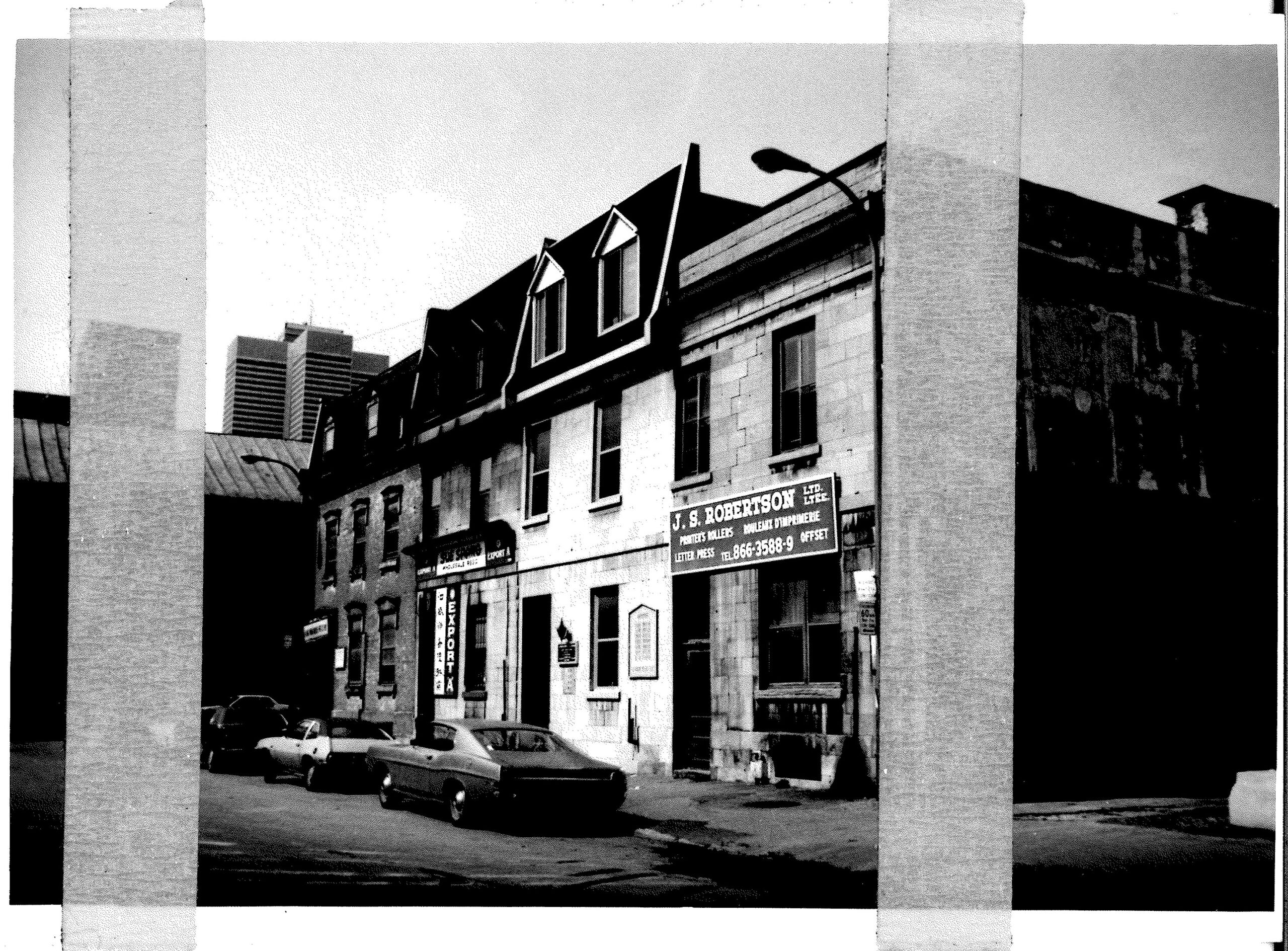
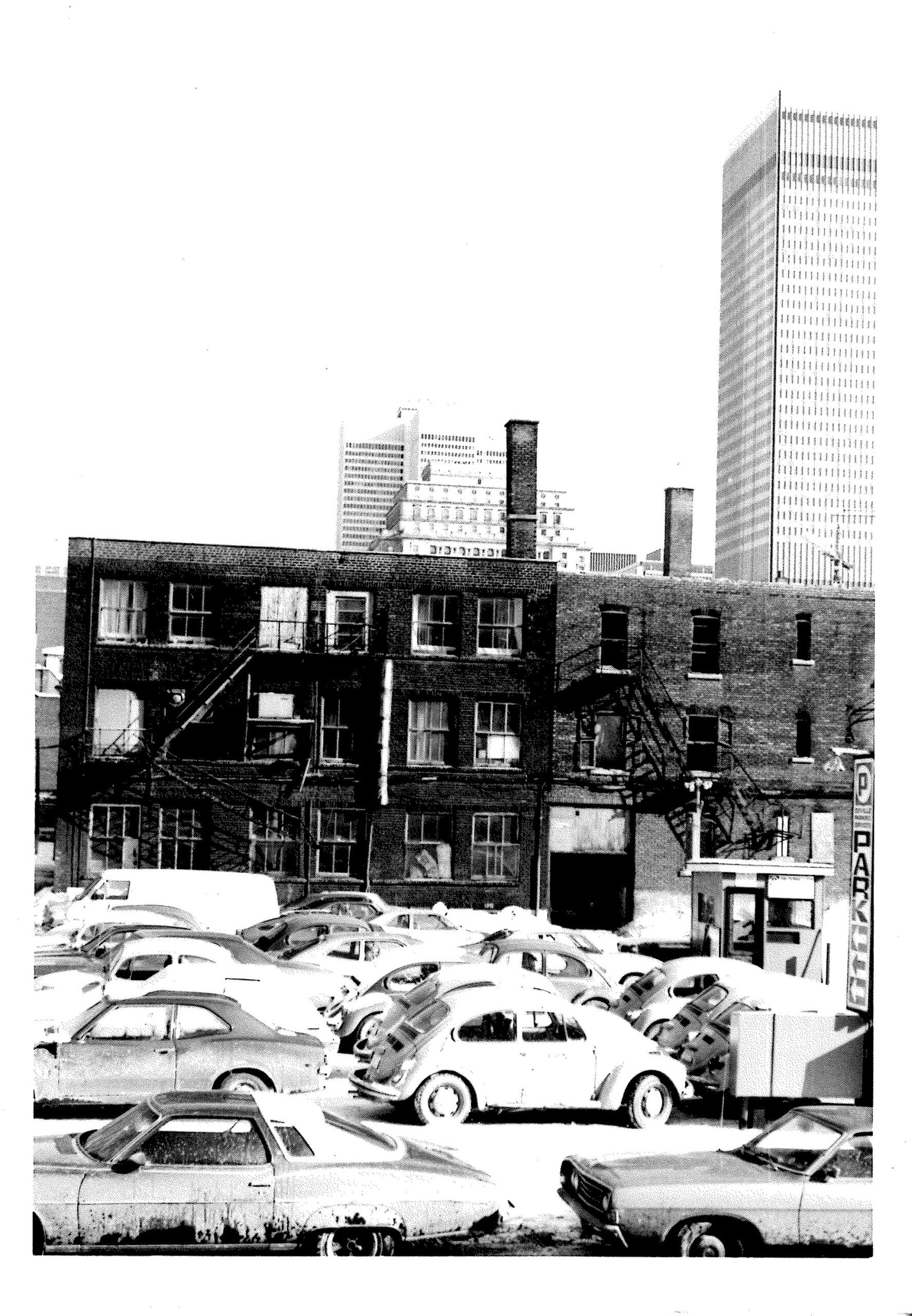
At that time, large modern buildings were in vogue, but so was the importance of citizen involvement in urban planning around housing. This explains the mobilization of interest groups such as Sauvons Montréal around the Guy-Favreau Complex project. Thanks to their appeals, the project was modified in 1977 to include more green spaces and housing to compensate for the demolition of homes in Chinatown, adding more than a hundred units to the new administrative center. Despite this, De La Gauchetière Street underwent major transformations, which only amplified the wave of urban upheaval in this area, where the Palais des Congrès de Montréal and the Complexe Desjardins, both built at the same time, are now located.
While projects such as these have gone ahead, other major urban transformation projects have been halted thanks to the efforts of heritage advocates. Héritage Montréal heavily involved in the preservation of McGill College Avenue in 1984. This avenue, leading from the Place Ville Marie esplanade at the foot of the mountain, offers an unparalleled view of the mountain itself and the Royal Victoria Hospital, which adorns it with its neo-Gothic charm.
Today, the heart of Montreal's Chinatown is listed in the cultural heritage registry following a citizen mobilization campaign supported byHéritage Montréal work still needs to be done to ensure the proper conservation of the classified buildings. Héritage Montréal invites Héritage Montréal to discover this area during its tours In the Heart of the City, which will resume in the spring of 2026.
Conclusion
Following the fire at the Bon-Pasteur monastery nearly three years ago, access to our offices and the archives we still hold has been largely lost to a large part of the population. In addition, accessibility to collections held by non-profit organizations such as ours is often complicated by the lack of adequate storage and consultation space.
Would it still be possible today to recreate a space like the UrbanHéritage Montréal CenterHéritage Montréal the end of the last century? The mobilization that animated our spaces resulted in impressive solidarity on the part of our members and the public.
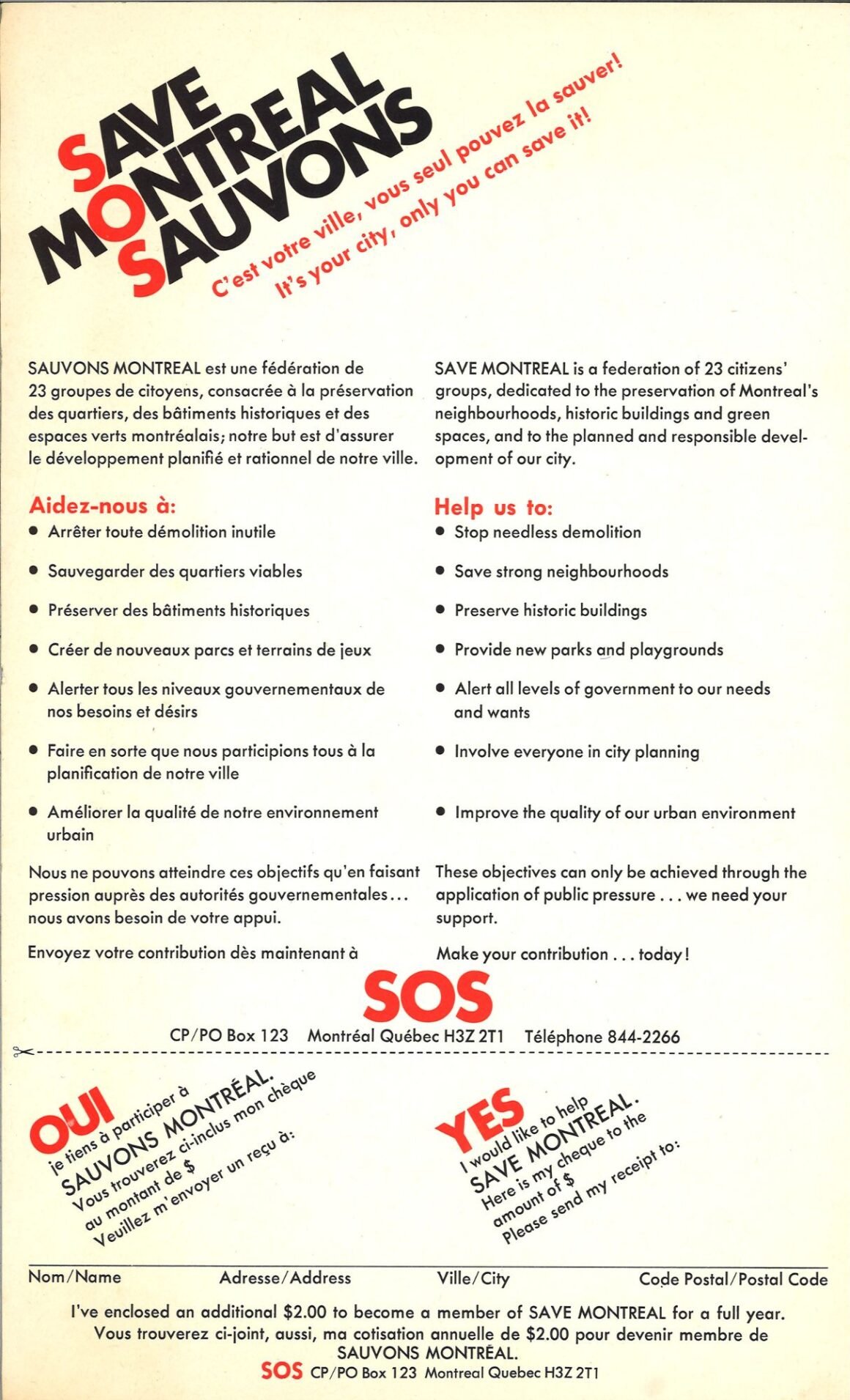
Thanks to these donations and interest, we have been able to preserve and safeguard part of the archives, but a huge reclassification project still lies ahead. We hope that the process of processing Mark London's archives has laid the groundwork for a new classification and accessibility project in the future.